



Market mechanism will promote proactive emissions reduction









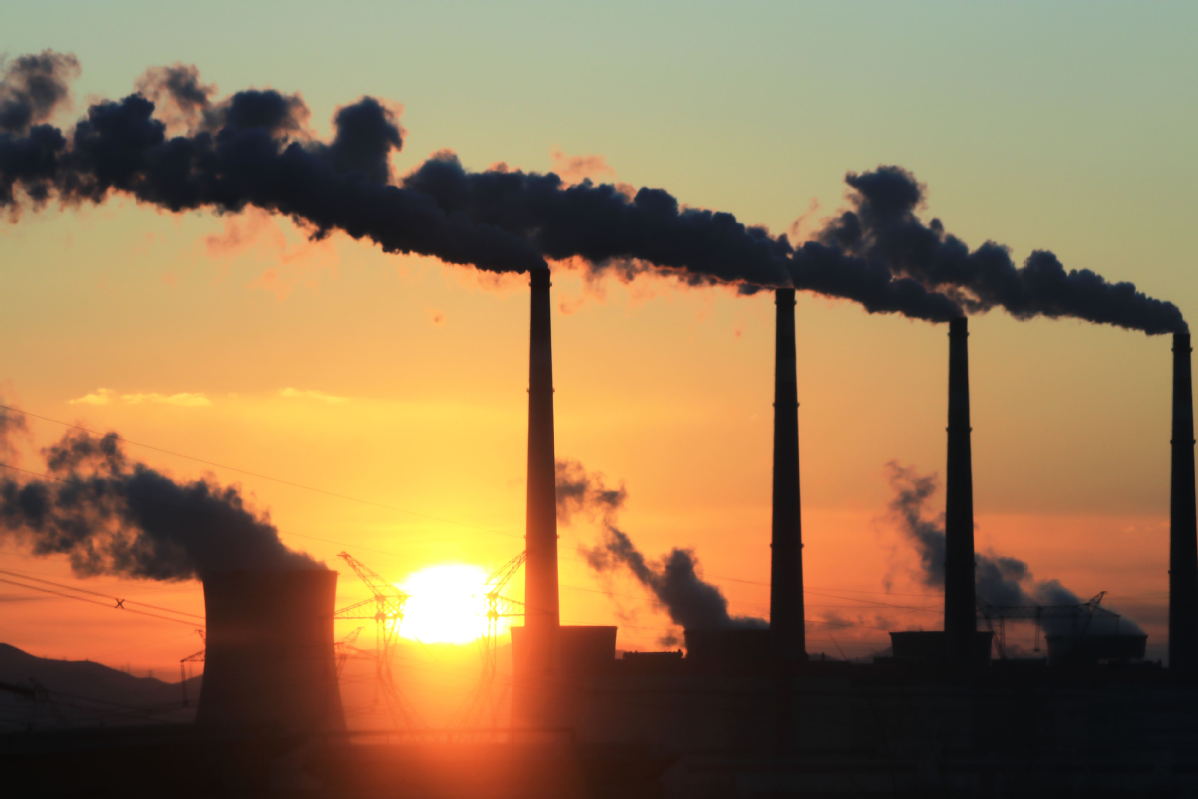
The Ministry of Ecology and Environment issued a regulation on carbon emissions trading, along with an allocation plan for emissions quotas on Jan 5. The regulation and the plan will take effect on Feb 1.
Based on long-term monitoring and investigation of key energy-consuming enterprises in the power generation, steel and other industries, carbon emissions quotas have been established for the enterprises. These are generally lower than the historical emissions levels of the enterprises. If an enterprise's emissions exceed its quota, it will need to buy some quota from another enterprise whose emissions have not exhausted the quotas set for them.
At present, the carbon emission allowances obtained by enterprises are allocated for free. In the long term, the allocation method of allowances may gradually transform to a combination of allocation and auction. In addition to buying carbon emissions, companies can also use the national certified voluntary emissions reductions generated by voluntary greenhouse gas emissions reduction projects to offset their carbon emissions.
The opening of the carbon emissions market is an important step for the country to take advantage of market means to prompt companies to take the initiative to reduce emissions, and inspire them to increase their inputs into emissions reduction technology and projects.
The transformation from passive emissions abatement to active emissions cuts indicates a paradigm shift for China's emissions reduction endeavors.
Which is necessary to ensure the country can realize its target of seeing its carbon dioxide emissions peak before 2030, and attain carbon neutrality by 2060.
The development of the carbon emissions market will promote the booming of the green economy, green industries and green finance, creating new jobs.
The engagement of banks and other financing agencies can provide financial support for research and development of emissions reduction technologies and the development of renewably energies and optimize the allocation of resources in line with the needs of green development.
-YANG FANXIN, A RESEARCHER IN DEVELOPMENT STUDIES, RENMIN UNIVERSITY OF CHINA





