



The real reason behind fluctuations in global foreign exchange market









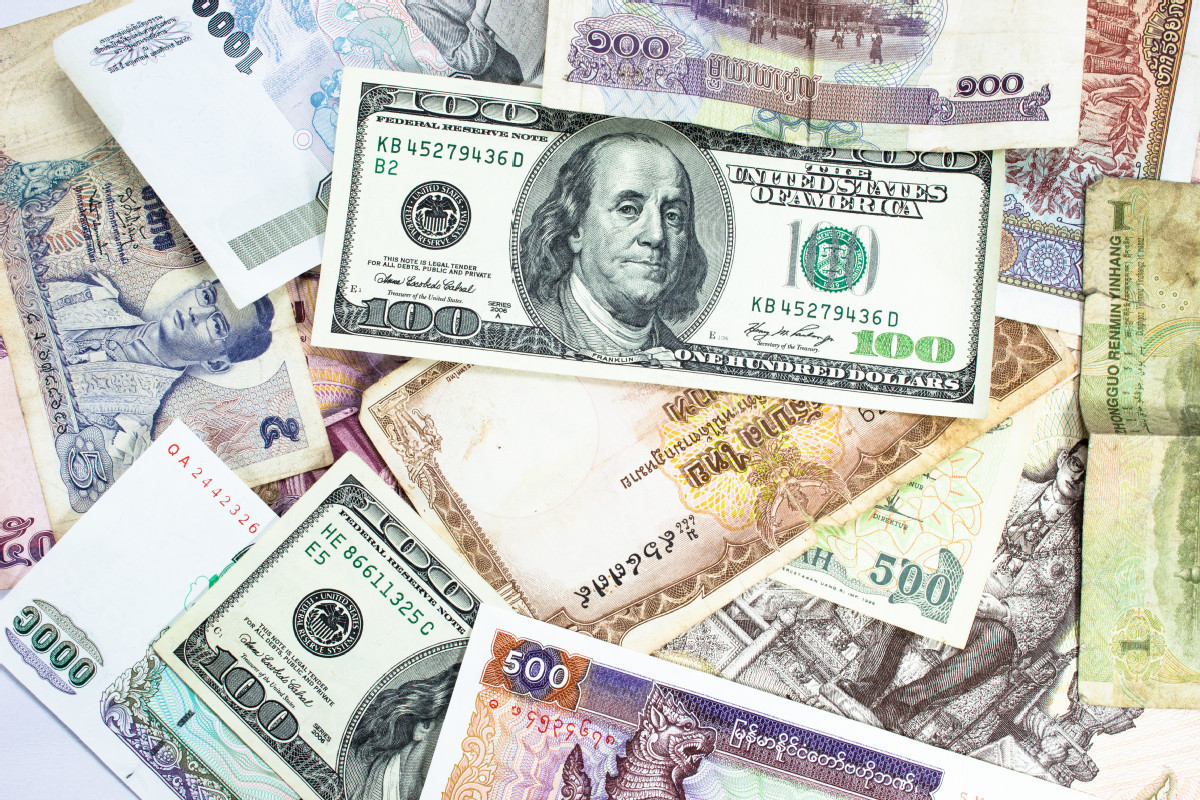
In recent days, the currencies of emerging market countries have caught everyone's attention because of a weak streak, with the Indonesian rupiah falling to a four-year low, the Malaysian ringgit tumbling to its lowest exchange rate since 1998, and the Indian rupee dropping to a record low. On April 16, the MSCI Emerging Market Currency Index that tracks more than 20 currencies dipped 1.2 percent from what it was on April 9.
However, the currency depreciation of emerging economies does not lie in their economic fundamentals. In its latest World Economic Outlook, the International Monetary Fund predicts that Asia, which has been hit the hardest by recent currency depreciation, will contribute 60 percent to global growth this year. As the IMF stresses, it is US monetary policy and macro data changes that pose external challenges to economic activity in the region.
While emerging market currencies weaken, the US dollar continues to strengthen. As of April 18, the dollar index rose by 2.41 percent in a month, and 6.5 percent from its 52-week low. According to the IMF, if the US Federal Reserve keeps its benchmark interest rate at its 23-year high for much longer, it will put great pressure on the currencies of emerging market countries, those in Asia in particular. That will not only affect emerging market currencies, but also the global financial market.
International investment institutions are changing their optimistic expectations for the global financial market and expressing rising concerns over the risk of "second-time inflation" in the United States because of declining hopes of the Fed cutting interest rates.
In terms of fiscal monetization, the scale of US federal government expenditure and deficit is still high, and excessive fiscal expenditure leads to the rapid expansion of the scale of its government debt issuance. The IMF recently warned that the huge US fiscal deficits are fueling inflation and pose a "significant risk" to the global economy. A recent report released by the organization shows that the US is expected to run a fiscal deficit of 7.1 percent of GDP next year, compared with an average of 2 percent for other advanced economies, highlighting the need for Washington to address the huge imbalance between its spending and income.
Against the backdrop of high US interest rates and a strong dollar, currency risks in emerging market countries still exist, and their central banks and monetary policymakers still need to maintain vigilance, use monetary reserves to support short-term liquidity, and strengthen the ability to resist risks. Given that new trade barriers and rising protectionism could fuel inflation, the US federal funds rate could fall slower than expected. At the same time, excessive spending in the US could lead to higher global financing costs, increasing the risk of reigniting inflation and undermining long-term global fiscal and financial stability.
ECONOMIC DAILY





