



Incense-maker passes on 150-year-old Arabic scent









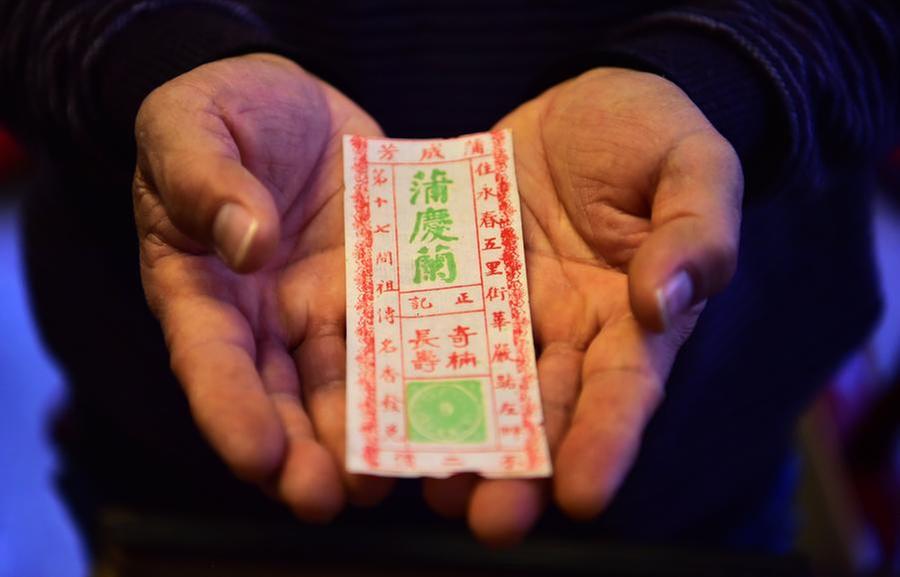 |
| Pu Lianggong still uses an old packaging for his incense. [Photo/Xinhua] |
Despite its Arabic origin, Pu's incense is different from the scented chips called "bukhoor" in most Arab countries. Similar to Chinese stick incense, it is bamboo sticks wrapped by grinded spices.
Today, there are machines that can make dozens of kilograms of incense in an hour, but Pu Lianggong insists on making incense by hand. The adept craftsman is never tired of selecting spices, pulverising ingredients into fine powder and applying the powder to bamboo sticks.
Incense has been widely used in China in ceremonies and as medicine for more than 2,000 years. Influenced by the Pu family, incense making has become a local industry in Dapu Town of Quanzhou City. There are about 300 incense manufacturers in Dapu, with more than 30,000 people working in the industry.


- Tianjin University student carries China-Pakistan friendship into climate research
- Cranes and elephants unite as Yancheng hosts Nairobi photo exhibit
- Long March film Crossing set to boost Guizhou tourism this summer
- Rainy season brings Guizhou waterfall to thunderous splendor
- Diplomats, experts highlight role of skills training ahead of WorldSkills event
- Top court reiterates zero tolerance for child abuse





