


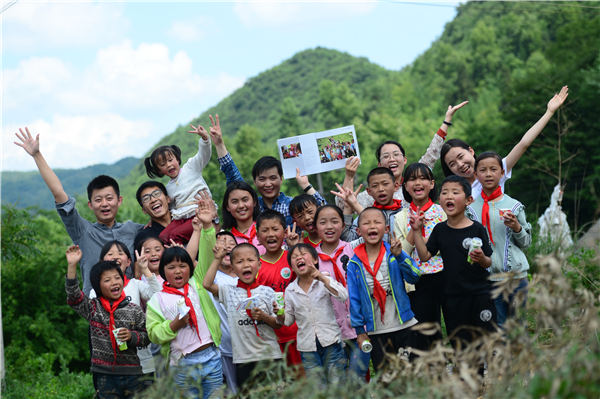
Every year, especially during school breaks, many university students in China opt to take part in "rural education aid", a program that sends students and volunteers into impoverished and remote rural areas to teach at local schools.
In a survey conducted by the China Youth Daily last summer, of the 1,994 respondents, 63.3 percent expected the program to last at least six months. However, in reality, most students only stayed for a short period of time, usually a few weeks or months, before returning home.
Some respondents also believed short-term education aid programs did students and schools in rural areas more harm than good, partly because they disrupted regular school lessons without providing systematic and consistent improvement, and partly because of the sense of culture shock the programs created among rural students.
Of course, there are also many who defend these types of programs. Some media reports cite studies showing that rural children and schools welcome the programs, however short they may be. So, are short-term education aid programs beneficial to children in underdeveloped areas?
YES
Short programs can benefit rural children.
1. The programs allow schools in rural areas to diversify their education. To college students, the programs are more about teaching children about the outside world and new ideas, not improving the quality of education.
2. In many ways, young college students and volunteers from big cities serve as role models to children in rural areas and demonstrate the opportunities that education can bring them. The programs provide them with new motives to stay in school.
3. Participants in the aid programs are mostly highly dedicated, responsible and smart, young people. They try their best to bring as much positive change to rural children's lives as possible.
NO
After the initial excitement, the short-term programs have little to offer.
1. College students in big cities know little about the reality of education in rural areas, especially the elementary and middle schools to which they are sent. As a result they can't put their academic strengths to use.
2. The short period that volunteers spend in rural areas gives them little chance to execute their plans to help local children. After they leave, everything will simply go back to the way it was before.
3. The new environment in rural areas takes a while for city volunteers to get used to. They can't devote their full energy to helping local children while they are still adapting to local life themselves.





