



Blue
Some global cities have well-known rivers that run through them - London has the River Thames and Paris has the River Seine. Shanghai, on the other hand, is home to two famous water bodies: the Huangpu River and the Suzhou Creek.
The two water bodies played an integral part in the city's transformation from a sleepy backwater into a vibrant trading hub when shipyards, factories, storehouses and financial institutions sprouted. This meant that they weren't always as blue as they could be.
The local government moved to clean up the Huangpu River and the Suzhou Creek in the 1990s. By 2010, the Suzhou Creek had taken on an entirely different look and its waterfront area became a popular place for residents to jog and get a tan.
The Huangpu River has also been transformed into a public space for leisure and sightseeing. As of the end of last year, the redevelopment of the Huangpu River reached a milestone when the riverfronts on both sides were connected to form a 45-kilometer trail featuring riverside parks and art museums.
Shanghai Mayor Ying Yong said in January that the position and quality of water tours on the river, as well as the lighting on both banks, will be upgraded this year to turn the area into a world-class tourism spot.
Gray
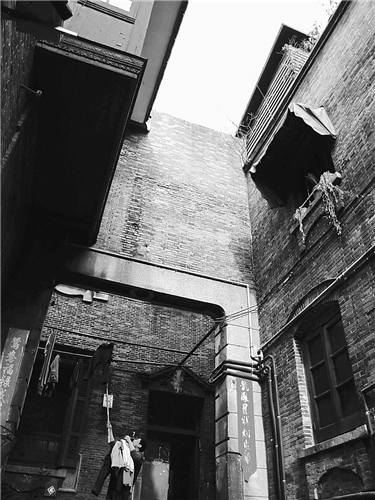
Few would disagree that the charm of Shanghai lies in the combination of its bright neon lights, glimmering modern skyscrapers and rustic shikumen houses with gray brick walls that were once the city's most typical residences.
Li Qiang, Shanghai's Party chief, has frequently recommended shikumen houses to guests, citing how these buildings "carry the stories, history and flavor of Shanghai".
Most shikumen neighborhoods were built in the 1930s. There were more than 9,000 shikumen complexes in the city, accounting for roughly two-thirds of local residences in 1949, according to municipal records.
Although these homes are small and rudimentary, they are nevertheless a symbol of harmony for the residents. Because of their size, neighbors can easily communicate and help one another. It is not uncommon to hear residents alerting their neighbors of rain while helping them bring their laundry indoors.
In the past few years, the city's authorities have been paying greater attention to preserving existing shikumen residences in the downtown area. Many have throughout the past decades made way for high-end residences, shopping malls and office buildings. One of the most prominent examples of repurposed shikumen residences is Xintiandi, which is today a landmark that features a wide selection of fashion boutiques and dining establishments.





