



Names, information of Imperial Japanese Army's notorious Unit 731 disclosed









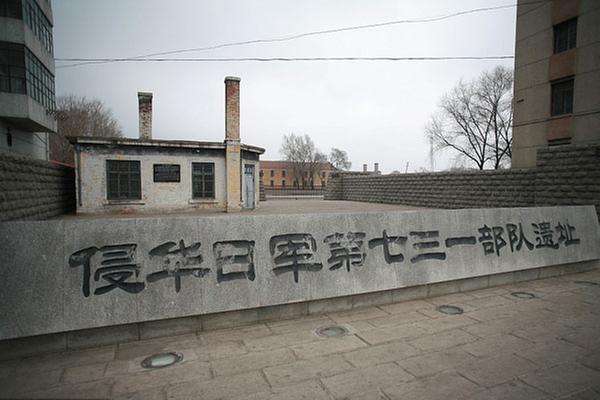
TOKYO - The names of 3,607 members of the Imperial Japanese Army's (IJA) clandestine Unit 731, known for conducting heinous live germ and chemical warfare experiments on thousands of Chinese victims, have been disclosed by the National Archives of Japan, a research professor said Monday.
"It is the first time that almost all the real names of the unit's members have been unveiled. We will post them on the website so they can be utilized for research," Katsuo Nishiyama, professor emeritus of Shiga University of Medical Science, told a press briefing on the matter Monday.
The names of those working at the headquarters of the notorious unit, as well as their ranks and other information including their addresses and family members, are disclosed on the list, which is dated Jan 1, 1945.
The list covers 52 surgeons, 49 engineers, 38 nurses and 1,117 combat medics operating out of the headquarters of the unit, deceptively dubbed the Epidemic Prevention and Water Purification Department of the Kwantung Army.
Unit 731 of the IJA was based in the Pingfang district of Harbin, the largest city then in Northeast China.
The unit was set up at around 1936 and conducted vivisection experiments on live human beings to test germ-releasing bombs and chemical bombs among other criminal atrocities.
The unit became Japan's top-secret biological and chemical warfare research base and operated as the nerve center of Japanese biological warfare in China and Southeast Asia during World War II.
At least 3,000 people were used for human experimentation by Unit 731 along with a small percentage of Soviets, Mongolians, Koreans, and soldiers of the Allied Forces taken captive. Some of those killed in ways unimaginable were just children.
More than 300,000 people across China were killed by Japan's biological weapons during WWII.
The first list containing details of Unit 731's war criminals was released in Japan after a request in 2015, but information on the unit's participants was heavily redacted.
A declassified list released in January still obscured some of the information of the unit's personnel.
The notorious Unit 731 managed to keep its atrocities largely concealed due to the International Military Tribunal for the Far East not prosecuting the unit's commanders under condition they handed over the germ warfare data to the United States.
Right wing forces here have also, since the unit's abominable crimes committed before and during WWII, attempted to sequester the facts of the unit, going as far as denying its actual existence.
A documentary released on Aug 13, by Japan's public broadcaster NHK, however, through testimonies of Unit 731 participants and authentic records of the Khabarovsk War Crimes Trials in 1949, presented vividly the cruel and irrefutable historical truth to a public here who knew little of this aspect of the IJA's deplorable war crimes.










