



Cities at different development stages naturally have disparate labor needs









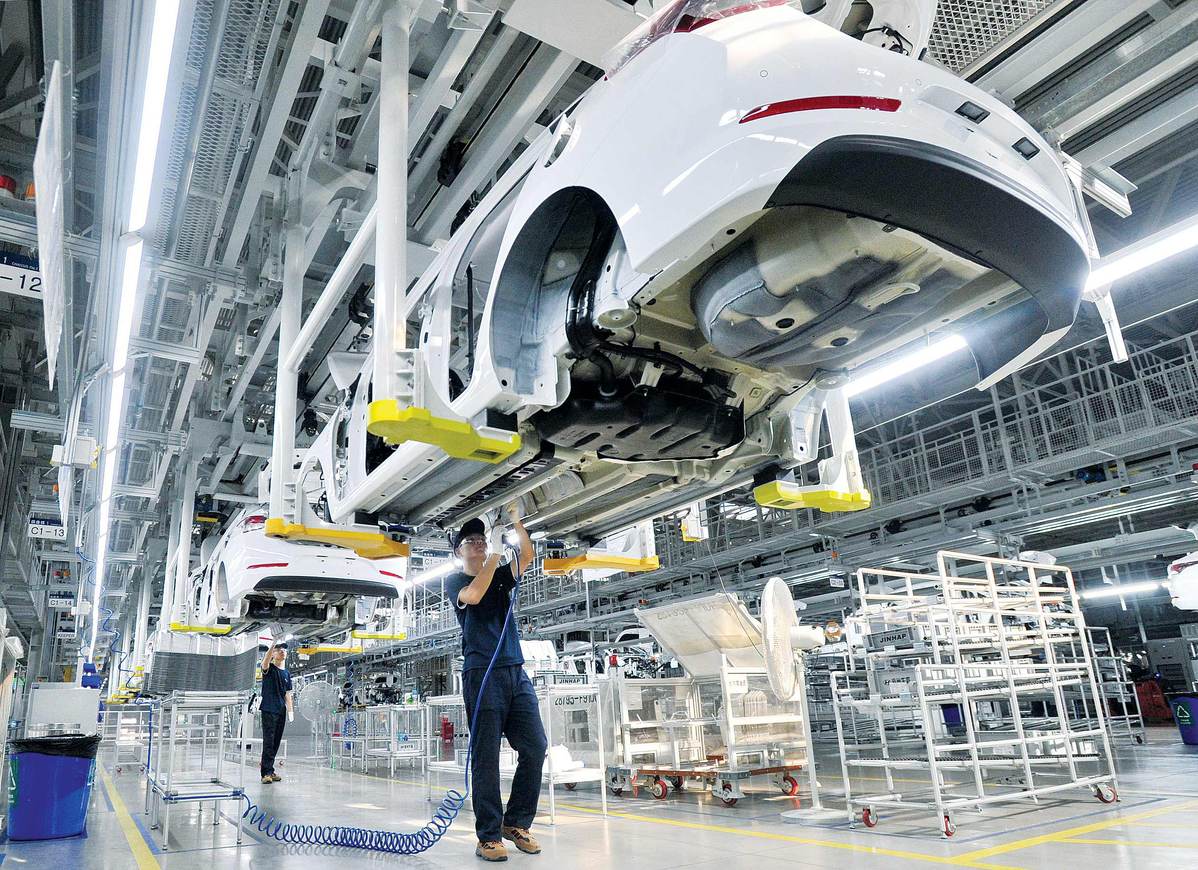
Four second-tier cities in the central and western parts of China are seeking to attract workers, and this has raised the question of whether there is a labor shortage in the country. Beijing News commented on Thursday:
Many people attribute the competition for workers among cities such as Xi'an, Wuhan, Chengdu and Hefei, to shortfalls in their working-age populations, and thus predict a gloomy future for the losers in this competition.
However, that's not true. Anhui, Sichuan, Hubei and Shaanxi provinces, where the four cities are located, are all exporters of migrant workers.
Although the family planning policy means there has been a sharp decline in the young working age population, statistics from the National Bureau of Statistics indicate the working-age population will remain around the 2015 level until 2020, with the number of people aged between 24 and 35 staying at about 270 million. And even after 2020, changes to the demographic structure will come slowly. Which means that local governments do not yet face labor shortages.
Maybe the local government data of the four cities are more telling as they indicate that nearly 60 percent of their newcomers hold bachelor's degrees and above. The four cities have opened their doors to young educated people, welcoming them to meet the needs of their newly-built high-tech industrial parks. The talent needs of these parks largely stem from the requirements of industrial upgrading and economic restructuring.
In contrast, data of governments of the first-tier cities, such as Beijing, Shanghai, Shenzhen and Guangzhou, reveal that nearly 60 percent of the talents they need are skilled workers and experienced service sector workers rather than college graduates.
Therefore, it is exaggerating to say there is a labor shortage in China based on the moves of these four cities to attract workers. The differentiated talent needs among the four cities show they are in different development phases and thus naturally have different talent needs.





