



Disruption seen from auto parts duty









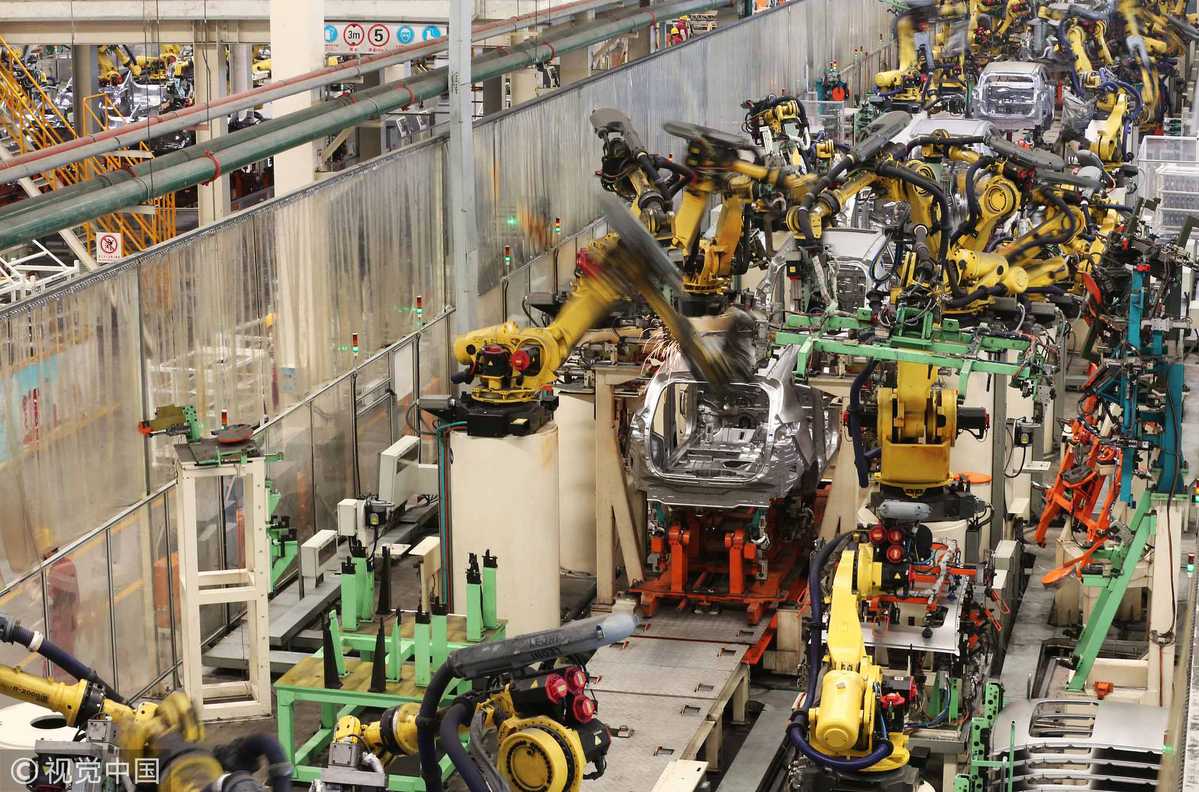
US tariffs on Chinese auto parts will probably result in higher prices and could disrupt the global automotive supply chain industry, analysts said.
The Trump administration has imposed a new 10 percent tariff on $200 billion worth of Chinese goods that takes effect on Sept 24. Beginning on Jan 1, the tariffs will increase to 25 percent. China retaliated with $60 billion of new tariffs on US products.
The new levies target more than 100 automotive products including engines, gaskets, rubber seals, tires and transmission shafts.
Tariffs are basically taxes on the consumer, and all costs increases within the supply chain will eventually be passed along to the consumer, according to Peter Nagle, senior automotive analyst at IHS Markit.
"In the short-term, suppliers might absorb some of the cost of the tariff but eventually they will have to raise prices or resource product from elsewhere, which also will raise prices," he said.
"Most vehicles produced inside or outside the US are likely to face higher prices from the tariffs," said Charlie Chesbrough, senior economist at Cox Automotive. "Chinese-made parts prices will rise, and vehicles that use those parts will have higher costs.
"But even parts produced domestically are likely to increase prices — Chinese competitors are higher, so domestic manufacturers can raise their own prices — so even domestic products and vehicles will be impacted. Fewer vehicle sales are expected as a result."
Should the tariff dispute linger it may rattle the global auto supply chain. The use of foreign parts is pervasive in the car business, said Francisco Veloso, dean of the Imperial College Business School in London.
"Leading first-tier suppliers typically concentrate their production in a few sites and then supply automakers in various parts of the world depending on logistical costs and complexity. While they may have assembly units locally in China and/or the US, there will be parts coming from all over," he said.
If tariffs remain, the industry will have to adapt and reorganize, said Nagle.
"We already see the beginnings of that reorganization underway now, as examples of US firms canceling vehicles from China like the Ford Focus or Chinese suppliers looking to outsource to other Asian nations to avoid tariffs. The implications for US manufacturers are numerous, they will have to adapt to higher costs, longer lead times for products and general uncertainty regarding trade," he said.
"Long-term implications are not yet known," said Chesbrough, "but clearly US companies are going to think twice about future sourcing from outside the country. How long the import tax policy will be in place is critical for a company making planning decisions.
Contact the writer at paulwelitzkin@chinadailyusa.com











