



China's ban on foreign waste has set good example









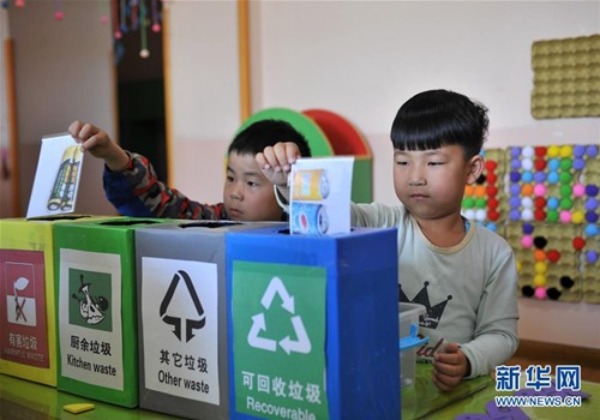
Editor's note: After China implemented a ban on 24 types of imported waste in January, countries in Southeast Asia have become the main destination for the waste. Haiwainet.cn comments:
For decades, China was the world's largest importer of foreign waste, as it sought to alleviate its shortage of raw materials. However, the lack of supervision over the waste processing and recycling industry and improper disposal of hazardous materials resulted in hazardous environmental pollution, which finally prompted the government to impose the ban on imports of harmful foreign waste.
Developed countries that had become accustomed to shipping their waste to China were left with no option but to dispose of their own waste or find other countries willing to accept it.
In the first half of 2018, about 91,500 tons of plastic waste found its way to Thailand from the United States, 20 times the amount of the plastic waste Thailand imported from the US throughout the whole of last year.
A few days ago, the Thai government said it will follow China's lead, and stop importing foreign waste completely in 2021. Malaysia and Vietnam, which have also seen spikes in imports of foreign waste, have also vowed to impose limits.
These Southeast Asian countries have quickly realized what China learned the hard way that the environmental and social costs incurred by the treatment of foreign waste dwarf the limited economic gains.
This means the developed countries will need to shoulder more responsibility to process their own waste. The era of "they need it, so we can dump it" is over.
The developed economies with 16 percent of the global population produce 34 percent of the world's waste. They are obliged to treat their own waste and minimize the environmental impact of the waste they produce.
As China has proposed, and which more and more countries have shown they accept, the global garbage processing system must be reformed and become fairer and more sustainable.





