
国产热热热精品,亚洲视频久久】日韩,三级婷婷在线久久,99人妻精品视频,精品九热人人肉肉在线,AV东京热一区二区,91po在线视频观看,久久激情宗合,青青草黄色手机视频

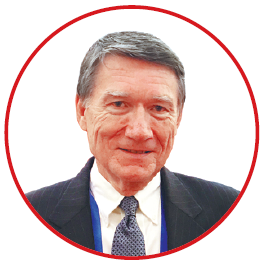
John L. Holden
Veteran China expert
EDUCATION:

1974-76: MA, Chinese language and literature, Stanford University

1970-74: BA magna cum laude, Chinese language and literature, University of Minnesota Twin Cities

AWARDS:

2017: Foreign Educator of the Year, presented by the State Administration of Foreign Expert Affairs; Chinese Government Friendship Award

CAREER:

2017-present: President and CEO, US-China Strong Foundation

2013-present: Nonresident senior associate, Carnegie Endowment for International Peace

2010-present: Senior adviser, Vermilion Partners

2014-17: Associate dean, Peking University's Yenching Academy

2014-17: Professor of management practice, Peking University's Guanghua School of Management

2008-13: Managing director and senior adviser, Hill+Knowlton Strategies, Beijing

2005-08: Chairman of China operations, Shaklee Corp

1998-2005: President, National Committee on US-China Relations

1986-1998: Various senior management positions with Cargill

How search for knowledge helped lift China's reform
Foundation leader says nation developed by learning, and now can teach other countries a thing or two
Dong Leshuo in Washington
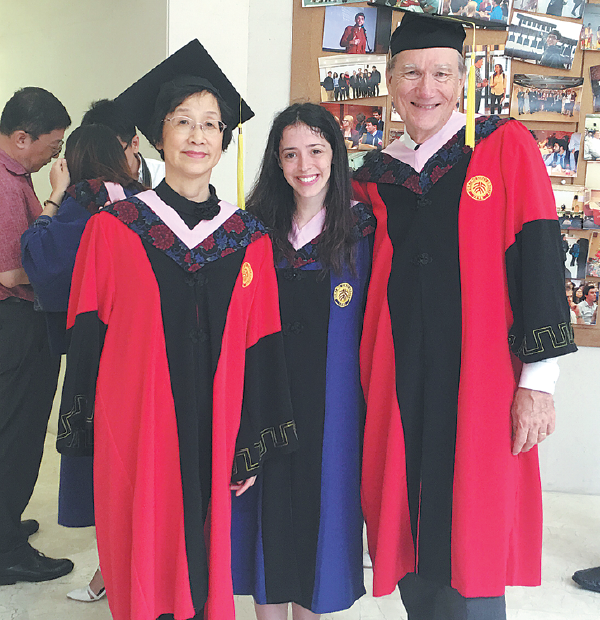
Holden and Yuan Ming (left), dean of Peking University's Yenching Academy, pose with a scholar during the graduation ceremony for the academy's inaugural class in Beijing in 2016. [Photo provided to China Daily]

Holden said there are two major lessons the Chinese have learned over 40 years of tremendous change.

"One thing is that change is good, necessary and possible. The idea of reform is closely aligned with progress. That is a major conclusion that people have. Things can always be made better," he said. "The second thing is opening-up. For China to open its door to invite foreigners and foreign ideas in, and to open its doors for its own people to travel, to study abroad, this is a very good thing."

At the Boao Forum for Asia on April 10, President Xi Jinping said China will continue to adhere to its fundamental national policy of opening-up and pursuing development with its door wide open.

Holden said he believes there are several dimensions to openness. One is the interaction with the outside world on trade and investment. "For that, one can certainly see China has plans to do more," he said.

Another dimension is China taking a bigger role on the world stage and in international organizations to shoulder more responsibility on common goals, he said, while a third dimension, opening to new ideas, is essential because innovation and technology matter to future economic growth.

"Quoting every previous (US) president since Richard Nixon, they all meant that we hope that China will be successful, which is good for a quarter of the world's population, and eventually will be good for the rest of the world. We hope that. Together with that is a sense of being open to all kinds of ideas."

China's practice of reform and opening-up has been widely acknowledged across the world, according to Holden.

"Every country should look at China for certain, but to pick and choose what it wants and what it doesn't want," he said. Looking ahead, Holden said every country will need to work together, particularly on issues like artificial intelligence and advanced biological development.

"We have to continue talking with each other and deal with some of the problems because these are really global issues. If one country goes way off in this direction by itself, that could be problematic. We do need to coordinate. We have to have conversations on AI," he said.

"There is a lot to work on. It requires big investment from Americans and Chinese to create a better future. Right now, it's a challenging time, and we have to do more."


|<< Previous 1 2 3 4 5 Next   >>|
John L. Holden
Veteran China expert
EDUCATION:

1974-76: MA, Chinese language and literature, Stanford University

1970-74: BA magna cum laude, Chinese language and literature, University of Minnesota Twin Cities

AWARDS:

2017: Foreign Educator of the Year, presented by the State Administration of Foreign Expert Affairs; Chinese Government Friendship Award

CAREER:

2017-present: President and CEO, US-China Strong Foundation

2013-present: Nonresident senior associate, Carnegie Endowment for International Peace

2010-present: Senior adviser, Vermilion Partners

2014-17: Associate dean, Peking University's Yenching Academy

2014-17: Professor of management practice, Peking University's Guanghua School of Management

2008-13: Managing director and senior adviser, Hill+Knowlton Strategies, Beijing

2005-08: Chairman of China operations, Shaklee Corp

1998-2005: President, National Committee on US-China Relations

1986-1998: Various senior management positions with Cargill

How search for knowledge helped lift China's reform

Foundation leader says nation developed by learning, and now can teach other countries a thing or two
Dong Leshuo in Washington
Holden and Yuan Ming (left), dean of Peking University's Yenching Academy, pose with a scholar during the graduation ceremony for the academy's inaugural class in Beijing in 2016. [Photo provided to China Daily]

Holden said there are two major lessons the Chinese have learned over 40 years of tremendous change.

"One thing is that change is good, necessary and possible. The idea of reform is closely aligned with progress. That is a major conclusion that people have. Things can always be made better," he said. "The second thing is opening-up. For China to open its door to invite foreigners and foreign ideas in, and to open its doors for its own people to travel, to study abroad, this is a very good thing."

At the Boao Forum for Asia on April 10, President Xi Jinping said China will continue to adhere to its fundamental national policy of opening-up and pursuing development with its door wide open.

Holden said he believes there are several dimensions to openness. One is the interaction with the outside world on trade and investment. "For that, one can certainly see China has plans to do more," he said.

Another dimension is China taking a bigger role on the world stage and in international organizations to shoulder more responsibility on common goals, he said, while a third dimension, opening to new ideas, is essential because innovation and technology matter to future economic growth.

"Quoting every previous (US) president since Richard Nixon, they all meant that we hope that China will be successful, which is good for a quarter of the world's population, and eventually will be good for the rest of the world. We hope that. Together with that is a sense of being open to all kinds of ideas."

China's practice of reform and opening-up has been widely acknowledged across the world, according to Holden.

"Every country should look at China for certain, but to pick and choose what it wants and what it doesn't want," he said. Looking ahead, Holden said every country will need to work together, particularly on issues like artificial intelligence and advanced biological development.

"We have to continue talking with each other and deal with some of the problems because these are really global issues. If one country goes way off in this direction by itself, that could be problematic. We do need to coordinate. We have to have conversations on AI," he said.

"There is a lot to work on. It requires big investment from Americans and Chinese to create a better future. Right now, it's a challenging time, and we have to do more."

百色市| 绥阳县| 舞阳县| 普陀区| 固安县| 焉耆| 荣成市| 东平县| 民和| 双峰县| 东丽区| 邵东县| 奈曼旗| 自治县| 隆尧县| 应城市| 探索| 齐河县| 水城县| 泽州县| 辉县市| 宜川县| 桐乡市| 梁平县| 永年县| 六安市| 柯坪县| 娱乐| 望奎县| 乳山市| 安乡县| 陇南市| 黑龙江省| 天台县| 永靖县| 木里| 绥江县| 通化县| 无锡市| 多伦县| 永丰县|