
国产热热热精品,亚洲视频久久】日韩,三级婷婷在线久久,99人妻精品视频,精品九热人人肉肉在线,AV东京热一区二区,91po在线视频观看,久久激情宗合,青青草黄色手机视频

Cheng Li
Expert on China
EDUCATION:

1985: BA, East China Normal University, Shanghai

1987: MA, University of California, Berkeley

1992: PhD, Princeton University CAREER:

1991-2006: William R. Kenan Professor of Government, Hamilton College

2006-present: Member, Committee of 100

2010-present: Member, Council on Foreign Relations

Exchange of ideas key benefit of reform
ZHANG RUINAN in New York
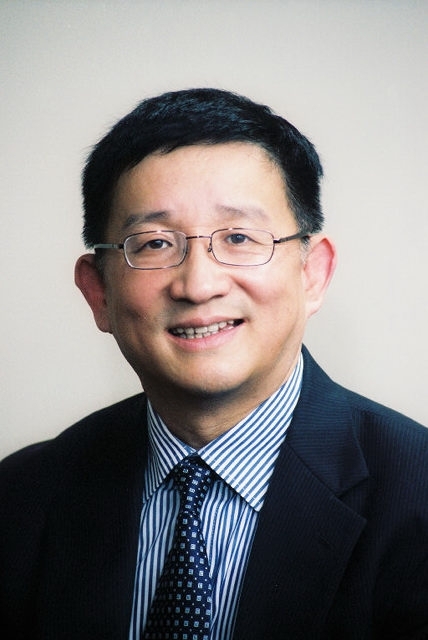
Cheng Li. 

Cheng Li, the first Chinese-American to lead the Brookings Institution's John L. Thornton China Center, arrived in the United States in 1985 to pursue a master's degree in Asian studies at the University of California, Berkeley.

"I might be one of the earliest Chinese students who came to the US to study," said Li, who grew up on Yan'an Road in Shanghai's Jing'an district. "Actually I came as a self-sponsored overseas student, which was very unusual in China at that time. And I was told in the mid-1980s that about a quarter of the self-sponsored students studying aboard were from my district."

After arriving in the US, Li said, "What I first noticed was the highway-in 1985, there were no highways in China."

The second thing that surprised him was not buildings or cars, but ice cream.

"There was a very famous ice cream store around UC Berkeley, which sold about 30 or 40 kinds of ice cream," Li said. "At that time in China there was only vanilla ice cream, so when you saw 40 kinds of ice cream it was also quite amazing.

"Certainly there was culture shock, related not only to economics or lifestyle but also in China at that time everyone was part of a danwei, or work unit, so when I came to Berkeley I couldn't adjust myself to the human environment."

The other challenge Li faced was the language barrier.

"My English was certainly not good enough in listening comprehension, writing and speaking, so it was also a struggle for me," he said.

Li said the two countries were very different at that time, but the latest generation of Chinese students heading to the US to study would not encounter such culture shock and challenges.

There are more than 350,000 Chinese students studying at US universities, the largest group of international students by far. And according to statistics published by China's Ministry of Education, self-sponsored students made up 89 percent of Chinese studying overseas last year.

"Now, China has more highways than the US," Li said. "Actually, China has 50 percent of the highways in the entire world."

For Li, global thinking is the most significant change brought about by China's reform and opening-up policy. The exchange of knowledge and ideas with the West and the rest of the outside world changed China from an isolated country to a nation that embraces foreign ideas.

"My generation was heavily influenced by Western ideas," said Li, who studied literature as an undergraduate. "For example, Renaissance literature was very influential for Chinese literature students at that time.

"So that kind of learning, open-mindedness and the embracing of ideas from the outside world are very important to China. That period was very beneficial."

Li added that the technological cooperation and cultural agreements signed by Deng Xiaoping and Jimmy Carter, then US president, in early 1979 really benefited the Chinese people and changed the lives of many members of his generation.

He said he was grateful for the reform and opening-up policy, because it meant "I was able to study both in China and the US".

The life and education experiences of his generation enabled him to use the things he learned from the two countries as a bridge to promote mutual understanding.

Li said such things were important in lessening miscalculations, misperceptions and misunderstandings between the two countries.

"This is something beyond our profession and occupation, it's the nature of our experience," he said. "I think the current tensions or conflicts (between China and the US) are temporary because, more than at any time, the two countries are integrated so much in so many ways-tourism, economics, education, scientific-and that's beyond anyone's imagination 40 years ago."

Li added that China should continue to reform and open wider in the digital era, with its rapid development of new technologies and massive exchanges of people and ideas, to prepare for challenges and changes that may occur in the future.


Cheng Li
Expert on China
EDUCATION:

1985: BA, East China Normal University, Shanghai

1987: MA, University of California, Berkeley

1992: PhD, Princeton University CAREER:

1991-2006: William R. Kenan Professor of Government, Hamilton College

2006-present: Member, Committee of 100

2010-present: Member, Council on Foreign Relations

Exchange of ideas key benefit of reform

ZHANG RUINAN in New York
Cheng Li. 

Cheng Li, the first Chinese-American to lead the Brookings Institution's John L. Thornton China Center, arrived in the United States in 1985 to pursue a master's degree in Asian studies at the University of California, Berkeley.

"I might be one of the earliest Chinese students who came to the US to study," said Li, who grew up on Yan'an Road in Shanghai's Jing'an district. "Actually I came as a self-sponsored overseas student, which was very unusual in China at that time. And I was told in the mid-1980s that about a quarter of the self-sponsored students studying aboard were from my district."

After arriving in the US, Li said, "What I first noticed was the highway-in 1985, there were no highways in China."

The second thing that surprised him was not buildings or cars, but ice cream.

"There was a very famous ice cream store around UC Berkeley, which sold about 30 or 40 kinds of ice cream," Li said. "At that time in China there was only vanilla ice cream, so when you saw 40 kinds of ice cream it was also quite amazing.

"Certainly there was culture shock, related not only to economics or lifestyle but also in China at that time everyone was part of a danwei, or work unit, so when I came to Berkeley I couldn't adjust myself to the human environment."

The other challenge Li faced was the language barrier.

"My English was certainly not good enough in listening comprehension, writing and speaking, so it was also a struggle for me," he said.

Li said the two countries were very different at that time, but the latest generation of Chinese students heading to the US to study would not encounter such culture shock and challenges.

There are more than 350,000 Chinese students studying at US universities, the largest group of international students by far. And according to statistics published by China's Ministry of Education, self-sponsored students made up 89 percent of Chinese studying overseas last year.

"Now, China has more highways than the US," Li said. "Actually, China has 50 percent of the highways in the entire world."

For Li, global thinking is the most significant change brought about by China's reform and opening-up policy. The exchange of knowledge and ideas with the West and the rest of the outside world changed China from an isolated country to a nation that embraces foreign ideas.

"My generation was heavily influenced by Western ideas," said Li, who studied literature as an undergraduate. "For example, Renaissance literature was very influential for Chinese literature students at that time.

"So that kind of learning, open-mindedness and the embracing of ideas from the outside world are very important to China. That period was very beneficial."

Li added that the technological cooperation and cultural agreements signed by Deng Xiaoping and Jimmy Carter, then US president, in early 1979 really benefited the Chinese people and changed the lives of many members of his generation.

He said he was grateful for the reform and opening-up policy, because it meant "I was able to study both in China and the US".

The life and education experiences of his generation enabled him to use the things he learned from the two countries as a bridge to promote mutual understanding.

Li said such things were important in lessening miscalculations, misperceptions and misunderstandings between the two countries.

"This is something beyond our profession and occupation, it's the nature of our experience," he said. "I think the current tensions or conflicts (between China and the US) are temporary because, more than at any time, the two countries are integrated so much in so many ways-tourism, economics, education, scientific-and that's beyond anyone's imagination 40 years ago."

Li added that China should continue to reform and open wider in the digital era, with its rapid development of new technologies and massive exchanges of people and ideas, to prepare for challenges and changes that may occur in the future.

江陵县| 莱芜市| 青龙| 得荣县| 宜春市| 东丽区| 陇川县| 全椒县| 乃东县| 孙吴县| 镇坪县| 福建省| 宜川县| 宝清县| 岑溪市| 伊宁县| 新余市| 巴南区| 司法| 滕州市| 瓮安县| 建平县| 新化县| 凤翔县| 化隆| 乌拉特前旗| 榆树市| 潍坊市| 株洲县| 九龙坡区| 历史| 安新县| 海安县| 无为县| 华容县| 筠连县| 林周县| 会东县| 凤冈县| 北流市| 宜州市|