
国产热热热精品,亚洲视频久久】日韩,三级婷婷在线久久,99人妻精品视频,精品九热人人肉肉在线,AV东京热一区二区,91po在线视频观看,久久激情宗合,青青草黄色手机视频

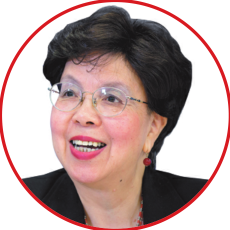
Margaret Chan Fung Fu-chun
Former director-general of the World Health Organization
BORN:

Aug 21, 1947, in Hong Kong

EDUCATION:

1973: Bachelor of Arts, home economics, Brescia University College

1978: Doctor of Medicine, University of Western Ontario

1985: Master of Science, public health, National University of Singapore

CAREER:

1978-89: Medical officer, Hong Kong Department of Health

1989-92: Assistant director, Hong Kong Department of Health

1992-93: Deputy director, Hong Kong Department of Health

1994-2002: Director, Hong Kong Department of Health

2003-05:Director, department for protection of the human environment, World Health Organization

2005-06: Assistant director-general for communicable diseases, WHO

2007-17: Director-general, WHO

2018-present:Member of the National Committee of the Chinese People's Political Consultative Conference

Focus on health the right prescription

Former WHO director-general lauds China's commitment to medical services
Pan Mengqi

During the outbreak, Chan, then Hong Kong's director of health, became the face of the global response.

"In 2003, when China suffered from SARS, it had less experience in dealing with such a crisis," she said.

"And for whatever reason, China was criticized by the world. But since 2003, China has improved and invested in its healthcare system and the information system in reporting to the WHO and being very transparent. China is one of the best countries in terms of preventing and containing infectious diseases now."

Learning a lesson from SARS, the Chinese government took comprehensive measures to improve public health services, and the prevention and control of serious diseases. It built the world's largest real-time electronic disease surveillance system to monitor and prevent epidemic emergencies.

"In fact, the system not only deals with disease outbreaks, but also has the capability to deal with other disasters like flooding, earthquake or chemical explosions," Chan said. "This is a model of immediate, transparent, and complete reporting of a country's emergencies."

In many ways, SARS was a game-changer, not only for the international community and its approach to epidemic diseases, but also for the positive impact it had on health in China and the era of openness and transparency it helped usher in.

After the crisis, Chan went on to be elected WHO director-general, leading 194 member states facing everyday challenges from all kinds of disease.

A decade after SARS, another deadly epidemic - Ebola - swept across West Africa in 2014.

Chan said it was one of the most difficult moments for the WHO, which was criticized for being slow in the beginning but rapidly adjusted.

"This time, China was a great helper," she said.

Chan said that as a responsible, big country, China used its capacities and experience to help fight Ebola and, with its help, the WHO was able to offer assistance and eventually help create the first Ebola vaccine.

Chan said courageous Chinese medical teams were among the first to answer her call for hands-on clinical support in very dangerous conditions.

China offered aid worth 750 million yuan ($113.77 million) and sent thousands of medical personnel to Ebola-hit countries including Guinea, Liberia and Sierra Leone in 2014.

It built on a tradition of Chinese medical help to Africa going back decades.

In 1963, the presence of Chinese medical teams in Africa was a key part of a signature international health outreach program that eventually included the construction and donation of hundreds of hospitals and clinics that now dot sub-Saharan Africa.

"China has always been generous in sharing with the rest of the world its lessons in developing its healthcare system, not only just by telling people its experience, but also by bringing the help to the places in need," Chan said.


|<< Previous 1 2 3 4 Next   >>|
Margaret Chan Fung Fu-chun
Former director-general of the World Health Organization
BORN:

Aug 21, 1947, in Hong Kong

EDUCATION:

1973: Bachelor of Arts, home economics, Brescia University College

1978: Doctor of Medicine, University of Western Ontario

1985: Master of Science, public health, National University of Singapore

CAREER:

1978-89: Medical officer, Hong Kong Department of Health

1989-92: Assistant director, Hong Kong Department of Health

1992-93: Deputy director, Hong Kong Department of Health

1994-2002: Director, Hong Kong Department of Health

2003-05:Director, department for protection of the human environment, World Health Organization

2005-06: Assistant director-general for communicable diseases, WHO

2007-17: Director-general, WHO

2018-present:Member of the National Committee of the Chinese People's Political Consultative Conference

Focus on health the right prescription

Former WHO director-general lauds China's commitment to medical services
Pan Mengqi

During the outbreak, Chan, then Hong Kong's director of health, became the face of the global response.

"In 2003, when China suffered from SARS, it had less experience in dealing with such a crisis," she said.

"And for whatever reason, China was criticized by the world. But since 2003, China has improved and invested in its healthcare system and the information system in reporting to the WHO and being very transparent. China is one of the best countries in terms of preventing and containing infectious diseases now."

Learning a lesson from SARS, the Chinese government took comprehensive measures to improve public health services, and the prevention and control of serious diseases. It built the world's largest real-time electronic disease surveillance system to monitor and prevent epidemic emergencies.

"In fact, the system not only deals with disease outbreaks, but also has the capability to deal with other disasters like flooding, earthquake or chemical explosions," Chan said. "This is a model of immediate, transparent, and complete reporting of a country's emergencies."

In many ways, SARS was a game-changer, not only for the international community and its approach to epidemic diseases, but also for the positive impact it had on health in China and the era of openness and transparency it helped usher in.

After the crisis, Chan went on to be elected WHO director-general, leading 194 member states facing everyday challenges from all kinds of disease.

A decade after SARS, another deadly epidemic - Ebola - swept across West Africa in 2014.

Chan said it was one of the most difficult moments for the WHO, which was criticized for being slow in the beginning but rapidly adjusted.

"This time, China was a great helper," she said.

Chan said that as a responsible, big country, China used its capacities and experience to help fight Ebola and, with its help, the WHO was able to offer assistance and eventually help create the first Ebola vaccine.

Chan said courageous Chinese medical teams were among the first to answer her call for hands-on clinical support in very dangerous conditions.

China offered aid worth 750 million yuan ($113.77 million) and sent thousands of medical personnel to Ebola-hit countries including Guinea, Liberia and Sierra Leone in 2014.

It built on a tradition of Chinese medical help to Africa going back decades.

In 1963, the presence of Chinese medical teams in Africa was a key part of a signature international health outreach program that eventually included the construction and donation of hundreds of hospitals and clinics that now dot sub-Saharan Africa.

"China has always been generous in sharing with the rest of the world its lessons in developing its healthcare system, not only just by telling people its experience, but also by bringing the help to the places in need," Chan said.

原阳县| 竹北市| 义马市| 姜堰市| 囊谦县| 毕节市| 敦化市| 南郑县| 漳州市| 治多县| 凤台县| 三原县| 五河县| 昭觉县| 内丘县| 福鼎市| 水富县| 通州区| 昌乐县| 波密县| 扎赉特旗| 阳朔县| 芷江| 天台县| 德保县| 西和县| 游戏| 宁安市| 内乡县| 岑巩县| 奎屯市| 红桥区| 方山县| 五大连池市| 湟源县| 静海县| 鄂托克旗| 阳西县| 增城市| 六盘水市| 桑日县|