



Tax deduction app makes landlords' personal information optional









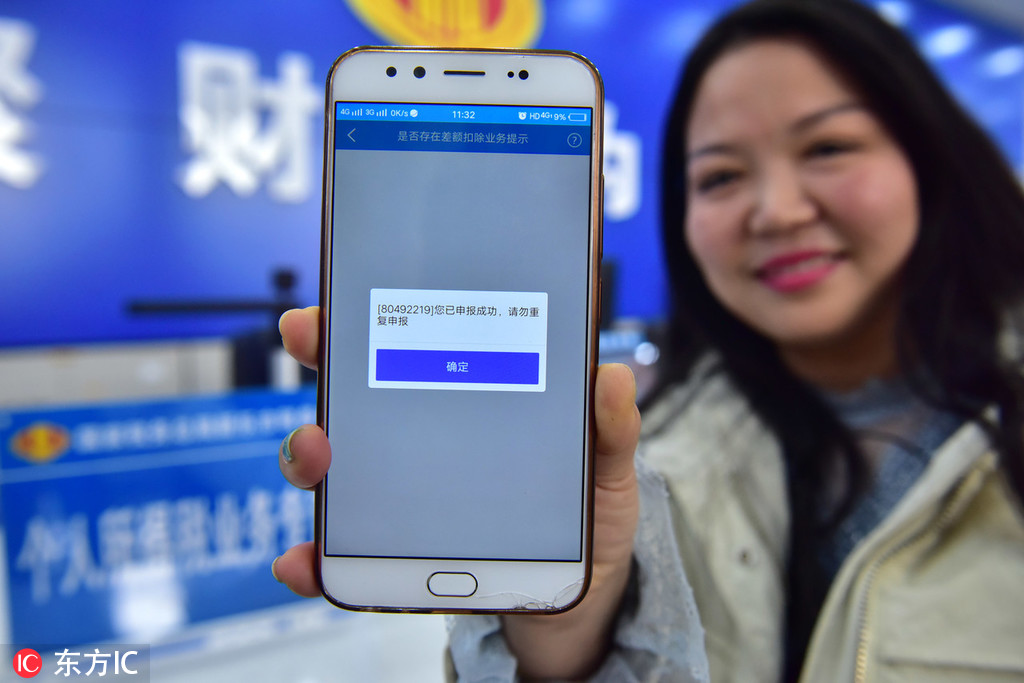
Lessors' personal information becomes optional on the Individual Income Tax app, when individuals claim tax deductions for their rents.
According to the new rules for additional deductions on taxable personal income which took effect on Jan 1, taxpayers who do not own houses in their main working cities can enjoy a tax deduction up to 1,500 yuan ($220) per month.
The tax deduction app, officially launched on Dec 31 last year, offers an additional deduction declaration platform for children's education, continuing education, treatment for serious diseases, mortgage interest, rent and eldercare.
The required information on the previous app version worried landlords as it required their names, ID numbers, addresses of their rental houses. They thought the disclosure of identity information may force them to pay more taxes or fines and late fees for rentals.
To avoid that, some landlords decided to raise rent or even terminate their agreements with tenants. However, officials from tax bureaus said at present it is unlikely that local authorities will use the collected information to check whether the rent income of a landlord is taxed. The State Taxation Administration has yet to make any notification to strengthen the tax collection and management, according to news website wallstreetcn.
The changes for required information do not mean an exemption of tax payment, and addresses of the rental housing are still required, Beijing Youth Daily reported.
The move is more likely to solve the problem that tenants cannot obtain the detailed identity information of their lessors, and to avoid the trouble of the personal information leakage, one insider said in the report.
According to regulations, the landlord's rent income belongs to personal income, and should be taxed, including personal income tax, property tax, and value added tax. At present, local authorities generally adopt a comprehensive method of house renting taxation according to a certain tax rate.
For instance, in Beijing, Shanghai and Shenzhen, the tax rate for private rental is 5 percent. In Shanghai, a house property with a monthly rent of less than 30,000 yuan can be exempted from VAT, and the actual tax rate is only 3.5 percent, said Qilu Evening News.











