



Chinese brands ponder catchy names









Local firms realize product and character alone won't suffice in overseas markets
The phenomenon of foreign brands swallowing up established local labels to make inroads into the China market is coming full circle-Chinese brands are trying to employ the same strategy overseas, confirming that names matter.
Marketing guru Al Ries said: "While we all want to believe that names don't matter, that what really matters is the strength of our character and the quality of our product… The reality is that names matter enormously."
Ries gained his fame by putting forward the positioning theory, which explains why some brands outperform their peers even if their products are of similar quality.
According to him, instead of focusing on the product per se, brands should be aware that consumers use categories to store brands in their minds, and the winning recipe lies in creating a new category and becoming the leading brand in that category.
Over the years, he has been delving into the art of names and how they can become a differenting factor in reshaping consumer minds and boost sales.
"Names can be persuasive and consumers assume names have literal meanings," he said.
Agreed Xu Feifei, assistant partner at branding and marketing consultancy Prophet, who believed that a name is usually the very first thing people experience or encounter about a brand, making it perhaps the most important part of its identity.
"A good name is a one-second invitation, hooking consumers' interest. It can be a preview of the brand's promise, purpose and philosophy, or as simple as the name of its founder, communicating what a brand is to the consumers," she said.
Ries pointed out that one critical barrier for Chinese companies to make a genuine global takeoff is their names, which are generally difficult to pronounce in countries that use the Latin alphabet.
"Today about 2.7 billion people, or 36 percent of the world's population, use the Latin alphabet. So any brand that wants to become a global brand naturally has to use a brand name that will work in the English language," he said.
But most Chinese companies use pinyin, or the official system for translating Chinese words into the Latin alphabet. He listed a number of pinyin translations that English-speaking population might find hard to pronounce: Xiaomi, Mengniu, iQiyi to name just a few, even though some of them have reaped initial gains in the global market.
Experts have mixed views on this issue. Xu said the competitive advantage in global markets does not rely only on the Chinese name but comprehensive offerings including products, services, and consumer experiences.
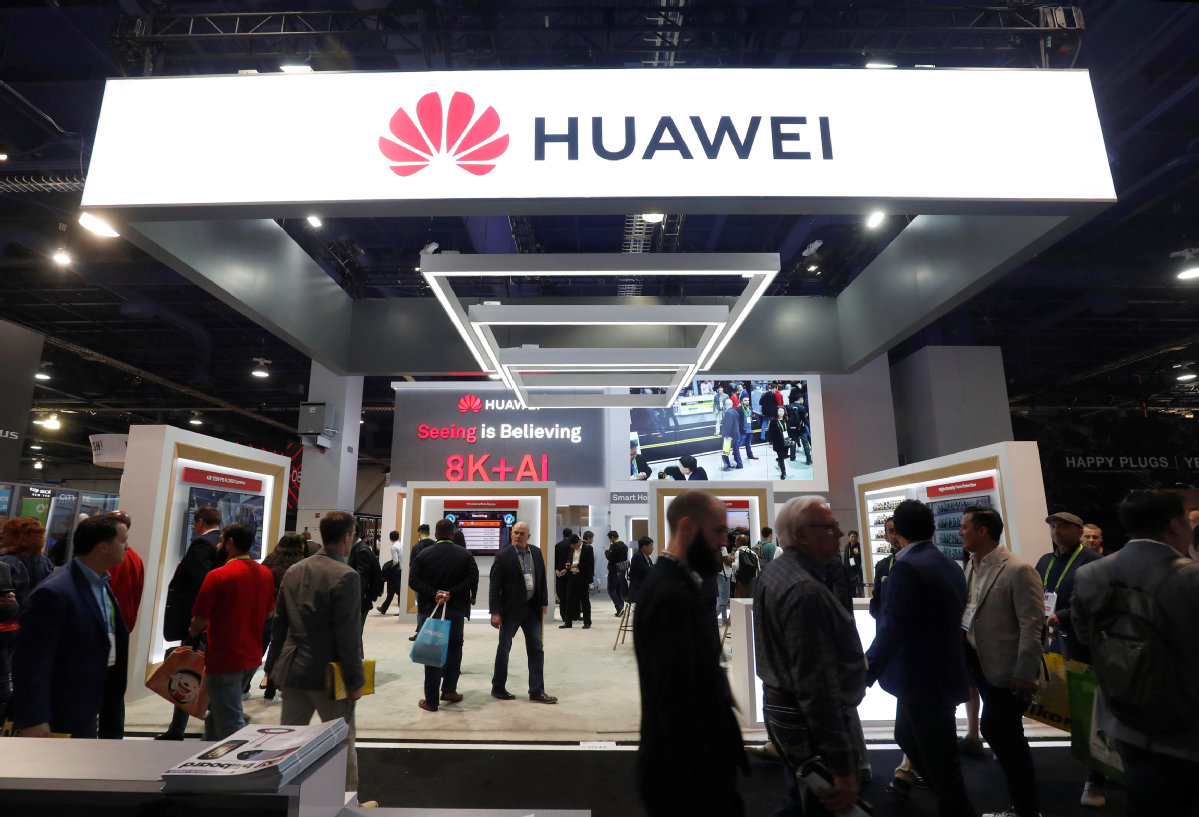
"Although pinyin may make some names difficult to pronounce for foreigners, Huawei is a good example how a strong brand with strong consumer experience and branding effort can cut through the clutter," she said.
But other studies on brand awareness seem to echo Ries' judgement. While revenue that Chinese brands gain from overseas has increased significantly over the past five years, Western consumers' awareness of and familiarity with them remain relatively low, according to a research report from consultancy Kantar Millward Brown.











