



Powering batteries with many lives









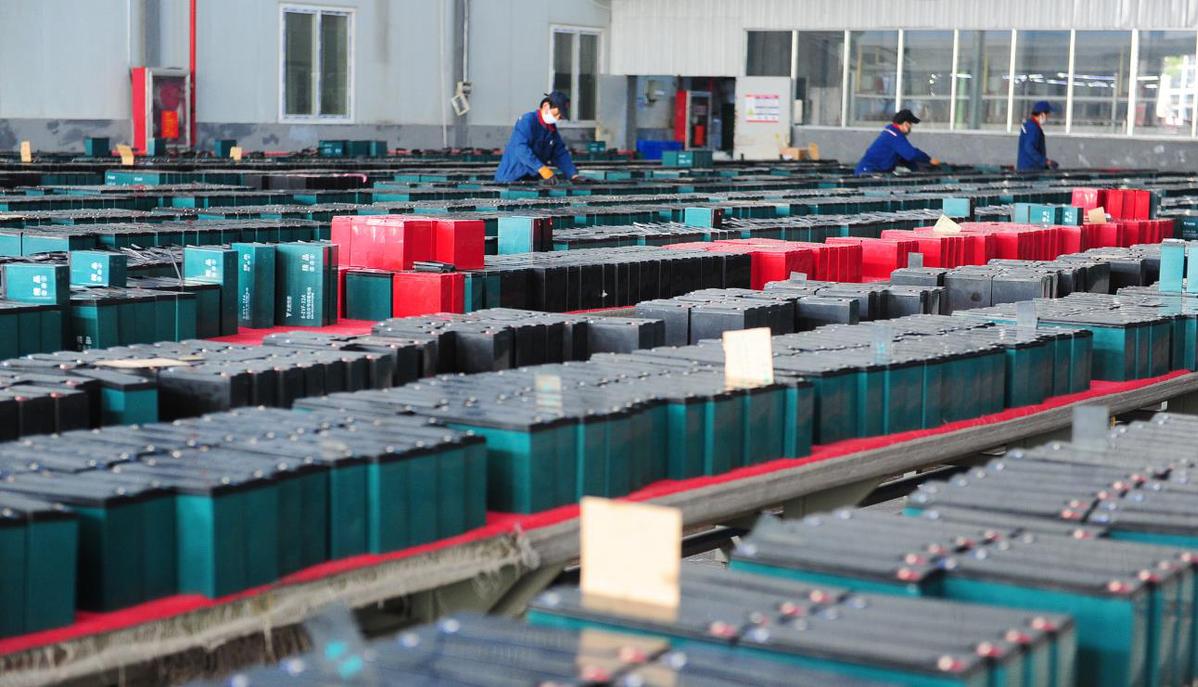
With e-vehicles set to zoom, fuel cell recycling emerges as a multibillion-yuan business
China is the world's largest market for electric vehicles with 1.5 million new energy-powered units sold by the end of 2018-and this means, fuel batteries are in great demand, even necessitating their recycling.
Reprocessing of fuel batteries has emerged as a legitimate mainstream business with a potential for 13.1 billion yuan ($1.95 billion) in sales and a volume of 422,000 tons by 2022, according to research agency EVTank.
This makes it a key part of China's efforts to develop circular economy, industry experts said.
That e-vehicle sales rose more than 72 percent in 2018 suggests the industry may be set for rapid growth. According to Askci Consulting, a market research firm, installed capacity for electric vehicle fuel batteries has reached an accumulative 18.9 gigawatt-hours in the first seven months of 2018, up 126 percent year-on-year (1 GWh = 1 million kilowatt-hours).
"In China, an EV (e-vehicle) battery is considered 'retired' when its rated capacity drops to 80 percent of its original total. Batteries with 80 percent or lower of rated capacity have insufficient power to steer the vehicle," said Han Xiaoping, chief researcher at energy analysis website China5e.
Industry estimates show over 200,000 metric tons of e-vehicle batteries, with a collective capacity of more than 24.6 GWh, will retire by 2020.
According to Askci Consulting, about 70 percent of them, or about 140,000 tons, are eligible for collection and recycling.
So, where do they go when they retire? Han said when the first batch of e-vehicles hit the retirement age, repurposing of their batteries for their second, third, or even fourth lives, is going to be a key issue. "The logic behind this is the circular economy."
The concept of circular economy has been gaining traction in the economic discourse in China of late.
He Lifeng, head of the National Development and Reform Commission, confirmed during the annual sessions of the country's top legislature and top political advisory body in March that China is drafting recycling policies, including for cars and electric home appliances.
Han said: "Although retired EV batteries have only 80 percent of original rated capacity, they can still be used in multiple fields such as upcoming 5G base-stations, grid energy storage, and many other areas. Raw material extraction comes after repurposing and is considered the last step of recycling. The market is huge."











