



Lenders hike support to SMEs









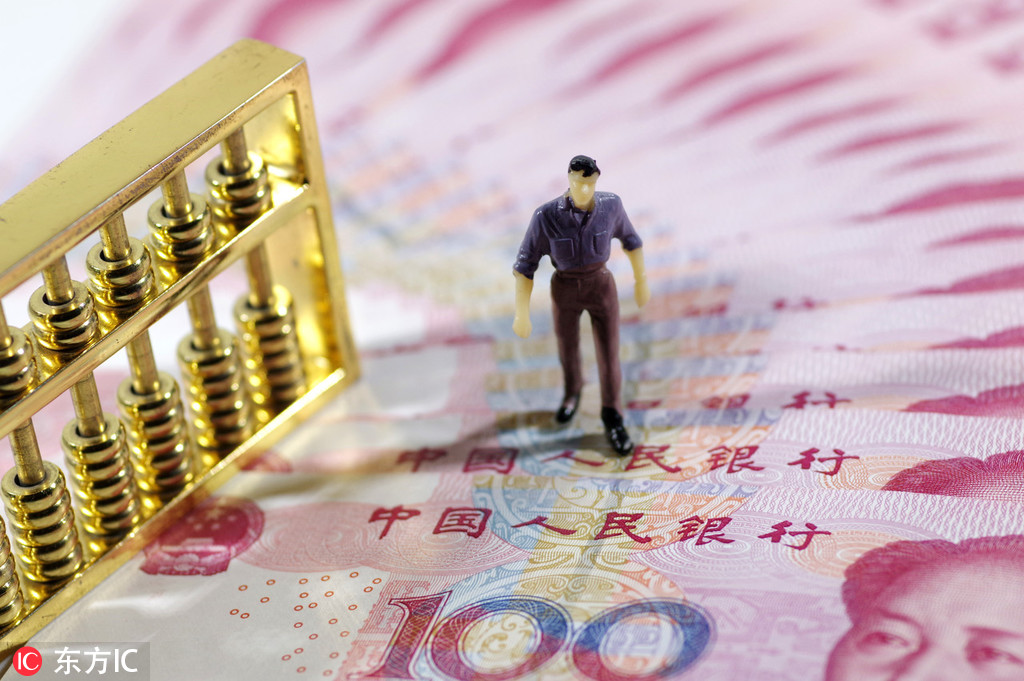
Commercial banks in Taizhou seek ways to help solve funding difficulties of small companies
Commercial banks in Taizhou, a coastal city in East China's Zhejiang province, are searching for ways to support small-and medium-sized enterprises to solve financial difficulties which could pose credit risks and slow down regional economic growth.
Li Rengen and his family own three companies in Taizhou. One of the companies, Zhejiang Flap Prosperous Sewing Machine Accessories Co Ltd, started making sewing machines in 2006, and Li is planning to move it to a new place next year.
So far, more than 130 million yuan ($18.5 million) has been invested in purchasing land and equipment. About 30 million yuan of that was borrowed from banks with a one-month interest rate of 4.2 percent.
"Now it is not difficult to access the bank loans, as we have pledged the factory buildings and the local bank officers know our business well," said Li.
By the end of October, the company had total outstanding loans of 52.3 million yuan. In 2018, it earned a profit of 15.89 million yuan.
Li's family started the business in 1994. At the beginning, the sewing machine producer borrowed hundreds of thousands of yuan from private lenders, with higher interest rates than what was available from commercial banks. In 2006, the family received the first loan from the Industrial and Commercial Bank of China.
Li Yadan, a manager of the Bank of Taizhou, also signed a loan contract with the sewing machine company earlier this year. She was an old friend of the family.
"I am familiar with the business. Trust has been built based on our long-term relationship. If the bank knows its clients, it will better understand the risk of lending," she said.
Supported by bank loans, the domestic sales of Li's sewing machines increased by 20 percent last year, offsetting a 15 percent decline in exports due to the deteriorating global trade environment.
In Taizhou, there are nearly 600,000 business entities, and more than 95 percent are privately-owned SMEs. They had borrowed 338.48 billion yuan by the end of September, accounting for 40.88 percent of all bank lending in the city, data from the central bank's Taizhou branch showed.
"The bank loan issuance did accelerate during the past year, after we received cheaper funds from the People's Bank of China (the central bank) and changed the loan management methods," said Wang Qufei, director of the PBOC's Taizhou branch. "We are finding ways that can meet the needs of the private economy and SMEs."
About a year ago, some media outlets reported that many export-incentive SMEs experienced difficulties, especially in southeastern China. The State Council conducted special field work investigating the financing difficulties of SMEs in several regions.
One of the major reasons for the financial difficulties of SMEs was that commercial banks declined to lend to them because of the lack of collateral, said Wang.
To deal with this issue, the local government has established a credit guarantee fund. Enterprises can obtain guarantees after paying a fee of 0.75 percent annually, which is lower than the 2 to 3 percent guarantee fees offered by some market-oriented financial institutions.
Compared with large State-owned banks, the privately-owned city and rural commercial banks in Taizhou showed higher interest in lending to local SMEs.
The Bank of Taizhou, which has total assets of 209.79 billion yuan, was one of the three local city commercial banks. About 99 percent of the bank's clients borrowed less than 5 million yuan.
"The small-sized local bank should rely on the development of the regional economy to offer financial services to local companies and make them loyal customers. Too fast expansion of a business, especially one with a high leverage ratio that exceeds the capability of the bank itself, will incur high costs," said Huang Junmin, president of the Bank of Taizhou.
In order to ensure the SMEs can pay back loans, the Bank of Taizhou has included more information into the loan's examination and approval process. Companies' payment of water and electricity fees, for example, as well as the record of their exports and imports, should be evaluated before loans are issued based on the credibility of the borrower.
Local banks have also developed ways to supplement capital and ensure they have enough money for lending. For example, the Bank of Taizhou is likely to become the first city commercial bank in China to issue perpetual bonds, a method to increase its capital, the bank's executives said.
By the end of September, the average non-performing loans ratio of all banks in Taizhou was 0.75 percent, according to data from the PBOC's Taizhou branch.











