



Brands in China are adapting to prevalence of omnichannel media









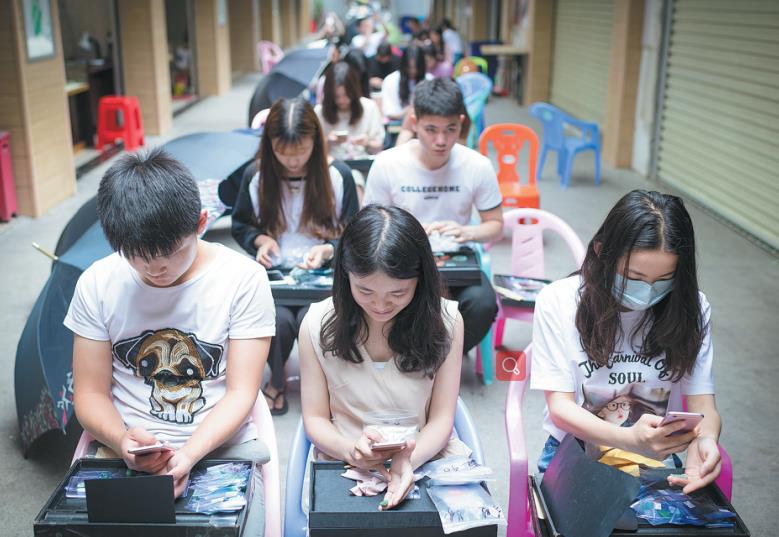
Brands operating in China are becoming more sophisticated in their social media marketing due to the complex media landscape and the widening generational gap, according to the China Social Media Landscape Report 2019 by global consultancy Kantar's Media Division.
The report noted that the prevalence of omnichannel media, which refers to platforms that allow users to perform a variety of functions such as search, network, game and purchase products, have compelled marketers to think hard about where they kick off promotions and how they can differentiate themselves across different channels.
"We identify WeChat, QQ, Alipay and Taobao as the most representative omni-media platforms. This is quite unique to China," said Kantar Media Division's China CEO Coolio Yang.
Compared with mainstream Western social media platforms, omni-media platforms in China generally offer more features, such as customer relationship management, new product launches, corporate news and even recruitment information, Yang noted.
The report also found that consumers who used to refer to celebrity endorsements and official channels for information are now more likely to do their own research or turn to peers to find information before making a purchase.
The Kantar report identified three groups of online users based on their social media activities.
Those in the older Generation X group born before the 1980s usually have a clear pursuit of goals when surfing the internet. As such, brand power and offline experiences are key factors that influence the purchase decisions for members of this age group.
Those in Generation Y, also known as the millennial generation born in the 1980s and 1990s, are accustomed to using a variety of social media tools and generally prefer omni-media shopping experiences.
Lastly, those from Generation Z born after 2000 have a short decision-making cycle when it comes to making purchases and they usually prefer to search and buy products online. These individuals also care greatly about personal privacy and are inclined to pay more for customized services.
Yang noted that it is important for brands to constantly add new and high-quality content to their platforms in order to retain the attention of their customers.
Today's consumers are not simply classified by age. Kantar identified the concept of quanceng, loosely translated as "circle", indicating how groups of social media users share common interests or professions.
"And it's worth noting that quanceng evolves over time from the initial enthusiastic followers, to those with lighter interest who may eventually exit the quanceng," the report said.











