



Targeted relief moves versus blunt-force stimulus measures









China and the United States are taking extremely different approaches to limiting the economic damage caused by the COVID-19 pandemic and the business shutdowns needed to control the spread of the novel coronavirus. China is focusing on restraining debt while targeting assistance to companies and sectors most affected. The US is borrowing massively to implement the largest monetary and fiscal stimulus package in history.
The worldwide economic crisis caused by COVID-19 poses unprecedented issues for government leaders and the economists who advise them. All financial crises since the end of the nineteenth century have been started by problems in the banking sector.
In a typical crisis, a lack of financial liquidity causes businesses to shut down because they cannot get the capital they need to operate. After much sad experience, central banks learned that the short-term solution to such a crisis is to lower interest rates and ensure that easy money is available to companies and consumers-though this causes many long-term problems.
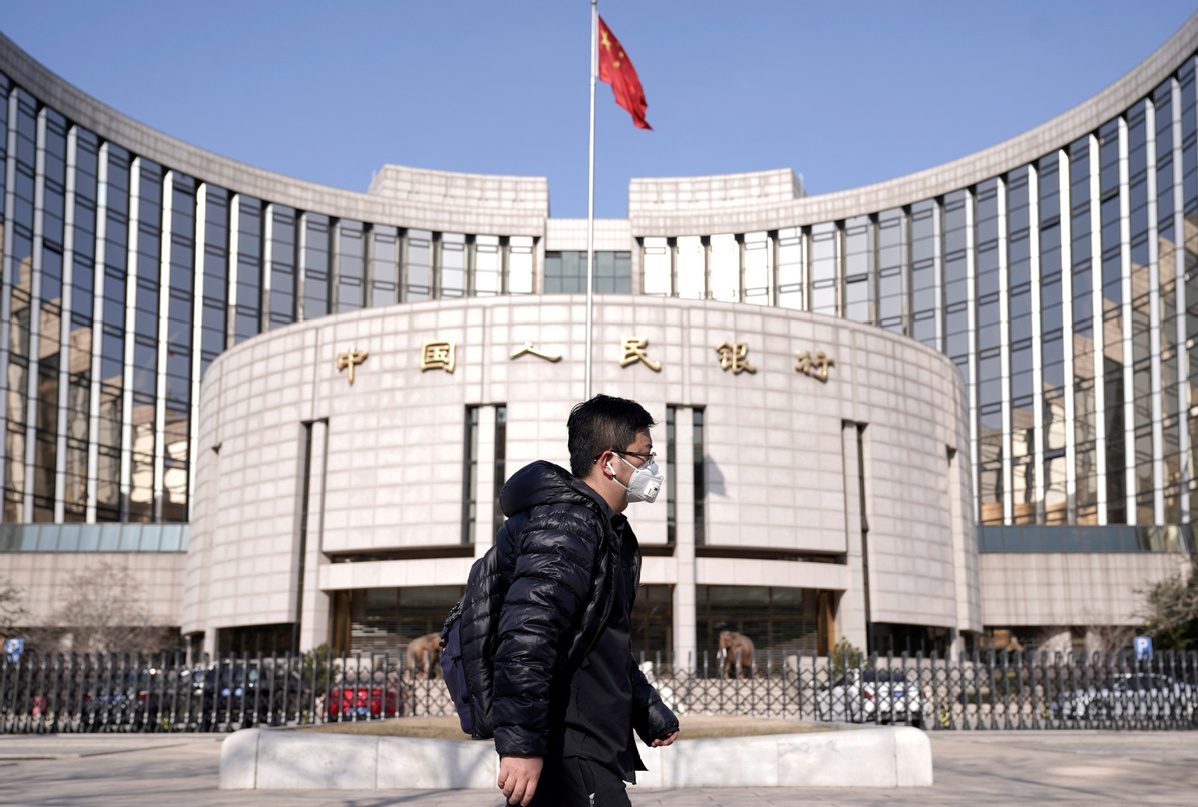
To the surprise of most analysts, the People's Bank of China, the central bank, decided in mid-March to keep benchmark lending rates steady and injected a relatively modest 550 billion yuan ($79 billion) into the financial system. This is a continuation of policies announced in December and January, prior to the onset of the virus crisis, that called for prudent monetary policy, stable growth and reduction in debt. The Central Economic Work Conference in December called for more expansionary fiscal policy, cautious monetary policy, and a large number of cuts in fees and taxes to reduce the operating costs of companies and improve the business environment.
China has tailored tax cuts and loan programs to help highly vulnerable small and medium-sized enterprises or SMEs to survive and keep paying their employees. Social insurance contributions of employers have been waived for five months and loan payments have been delayed for SMEs. Since the high point of the virus threat appears to have passed, the government has also phased in industrial production and coordinated supply chain resuscitation.
The main goal has been to maintain long-term economic reform and upgrading, while avoiding the negative effects of a massive liquidity injection or debt-increasing broad-scale government spending. China's emergency measures especially continue the policies designed to improve the business environment that were already planned and in progress before the crisis.











