



Global empathy deficit shapes pandemic response









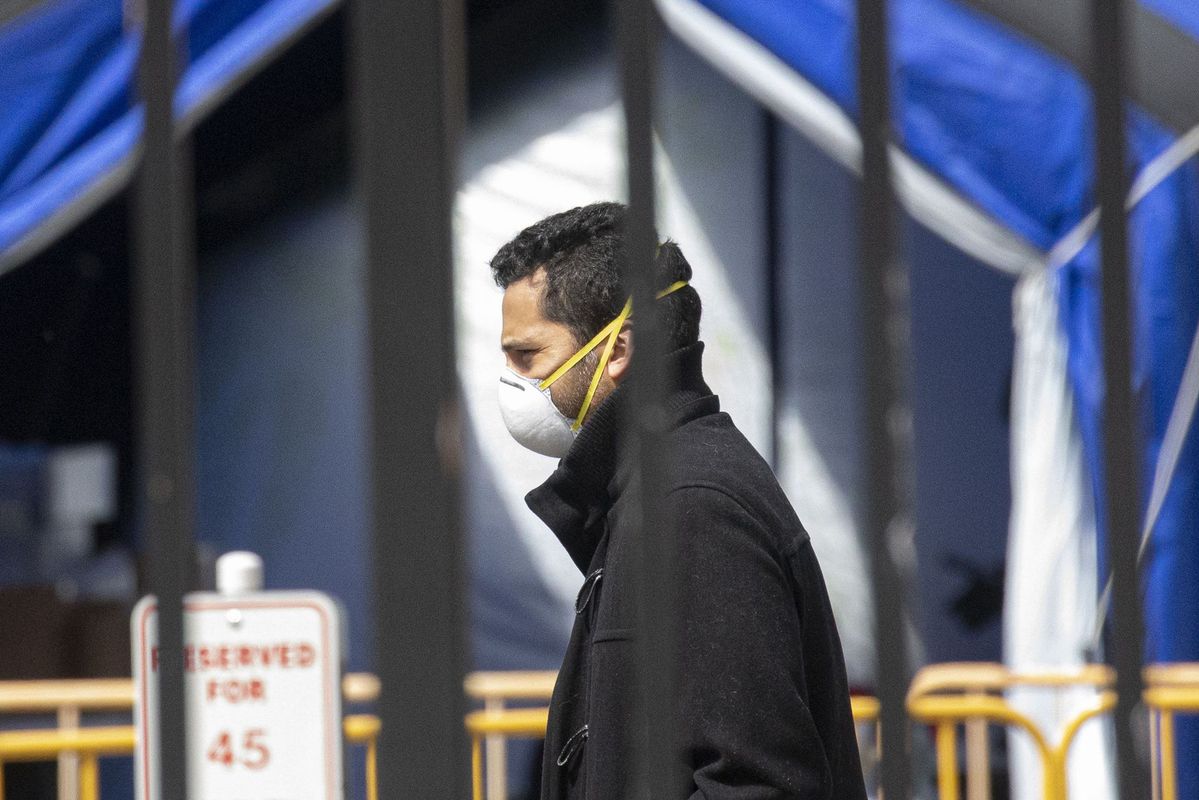
The global fight against COVID-19 is paralyzed by the absence of collective action among nations.
A lot has been said about the political drivers of this unfortunate situation, such as the leadership deficit as the United States retreats from globalism, and the democracy deficit due to the European Union's unfinished reforms.
A deeper factor that has been overlooked is the empathy deficit, which denotes a lack of willingness of people from different backgrounds to engage in dialogue aimed at mutual understanding.
The rise in populism as well as anti-globalization tendencies are political symptoms of this empathy deficit.
The lack of mutual trust and collective action among the international community to combat COVID-19 is the latest symptom of this deficit. The "disease" of empathy deficit has been plaguing the world long before we faced the pandemic.
It was inevitable that the empathy deficit would shape the world's response to COVID-19. That is why, instead of being united in the fight against the common global threat, a few political groups and countries are advancing narrow and partisan interests.
Their strategy includes stigmatizing the nation first affected by COVID-19, conjuring up conspiracy theories about its origin in order to shift blame, and discrediting policies of the country that successfully contained the outbreak to cover up their own sloppiness in dealing with the crisis.
Such actions disregard the lessons gained by other nations in their struggle against the pandemic, besides reducing trust among nations and preventing much-need-ed collective international action.
The empathy deficit has been brought about by socioeconomic and technological trends.
First is the rising inequality and resultant stagnation of intergenerational social mobility. If people are stuck in their social origins, then how can you expect those from different social backgrounds to have empathy for each other?
Second is immigration under the neoliberal migration regimen, which has allowed people to choose countries of their own liking.
The final trend is technological. For years, personal data (for example, data on online searches and browsing behavior) has been harvested by big technology companies to develop algorithms. As a result, people are confined to their information cocoons, gradually losing their capacity to feel empathic toward each other.
The neoliberal paradigm of globalization and innovation has created powerful socioeconomic and technological forces that isolate individuals, communities and nations, leading to an empathy deficit on a global scale.
The global spread of COVID-19 has alerted us to the dangers of anti-globalization. To reverse this position, global public health governance should be improved through different mechanisms, laying the institutional foundation to nourish global empathy and deepen international cooperation.
A new mode of globalization should be launched in which governments, private companies and NGOs should work together to provide global public goods.
This has already happened during the COVID-19 outbreak. Relying on the institutional infrastructure of the "health silk road", Huawei has provided medical supplies abroad. Several countries, from Ukraine to Uganda, have received relief materials from the Alibaba Foundation.
To sustain the much-needed new mode of globalization that has struggled to emerge from the current crisis, substantive rationality, or normative values, should be instilled into the process to make it go beyond pure calculation of interests so as to be firmly anchored in norms and empathetic attitudes.
Such an empathetic norm cannot be derived from the move to stop funding the World Health Organization during the current crises, or from accusing Microsoft co-founder Bill Gates of treason when he decided to provide an additional donation to the WHO.
It has to be rooted in the idea that treats the human race as a community with a shared future, as exemplified by China's global response to COVID-19.
Indeed, the pandemic is a reminder that, in the words of the English poet John Donne, "No man is an island entire of itself; every man is a piece of the continent".
The world is like this. It deserves to be treated like this.










