



What we should learn from China's COVID-19 response: SCMP









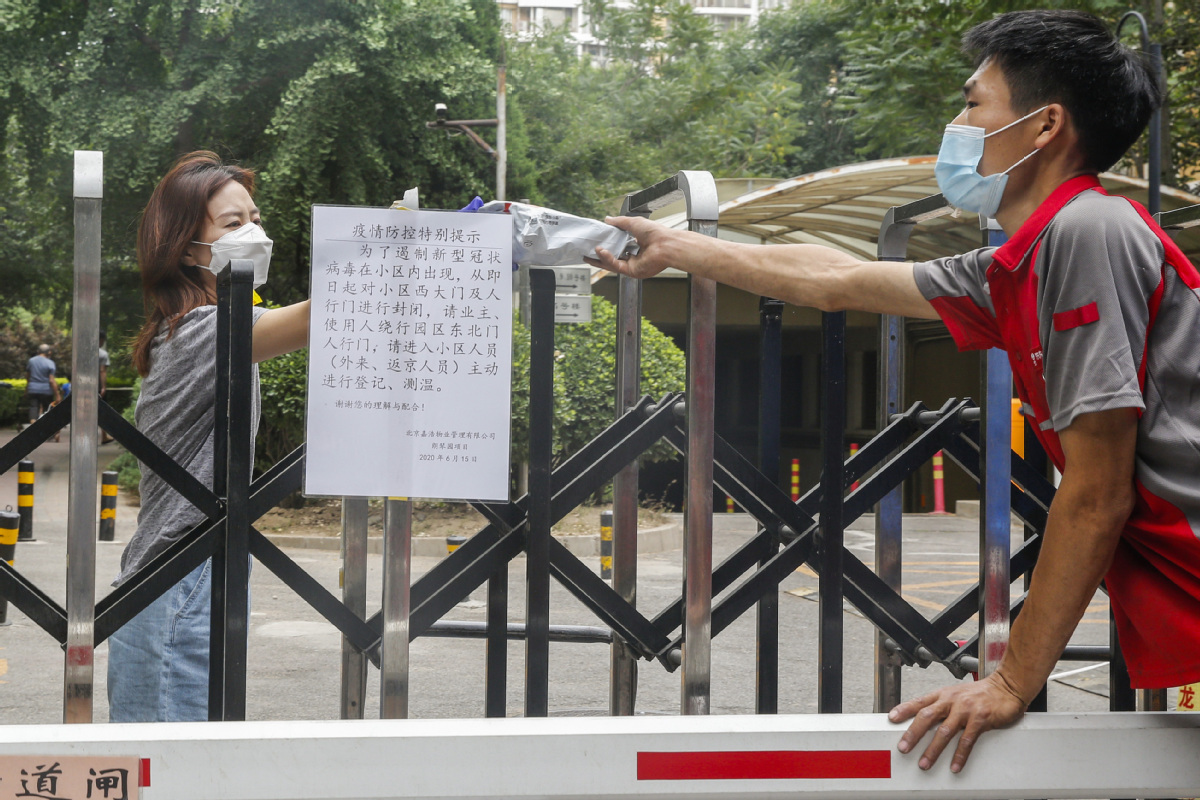
COVID-19 has exposed many institutional weaknesses in US society and the economy, according to an opinion piece by the South China Morning Post on July 7.
The article expounds from three perspectives that China's economy has demonstrated extraordinary resilience in the face of the epidemic and global economy shock. In contrast, the US economy, despite its strengths, is not structured to withstand pandemic shocks.
One of the reasons the US economy is not as resilient against the COVID-19 shock is that Americans don't save. According to SCMP, 60 percent of Americans do not have funds to cover a $1,000 emergency. Hence, the Chinese government is relatively less pressured to keep households afloat since China has a household savings rate that is among the highest in the world.
Restaurants, travel, entertainment and other parts of the services sector were likely hit hardest by COVID-19. Consumers sharply curtailed spending on services and goods. Falling consumer spending has major effects on the overall US GDP growth, as it accounts for roughly 68 percent of the US GDP. In contrast, consumption accounts for less than 40 percent of China's economy. Such underconsumption has become a source of resilience in this difficult time. Meawhile, Chinese consumers can still shop and order food online without leaving their homes because of the ubiquitous e-commerce market.
The US food distribution system also lacks flexibility. Since large portions of food are distributed to restaurants, there were no easy ways to allocate the food to households when restaurants closed during the epidemic. However, in China, in addition to supermarket chains, there are a wide range of grocery stores and traditional markets, as well as online orders from farms. This food production system has ensured no one goes hungry during coronavirus lockdowns. Food supplies and food prices in China also have remained stable.
The article emphasizes that COVID-19 is accelerating China-US convergence and China's continuous economic recovery in the immediate aftermath of COVID-19 gives confidence to the world.





