



Fiscal goals including tax, fee cuts set to be met









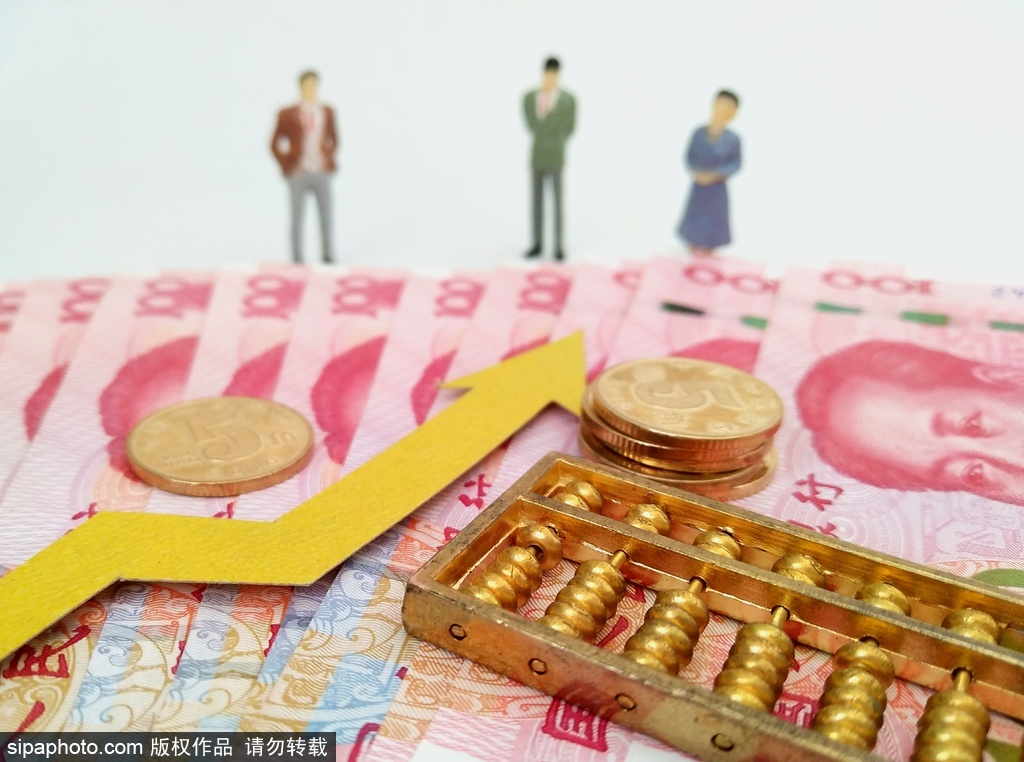
The government will be able to achieve its annual fiscal targets, according to its projection of steady economic recovery, cutting more than 2.5 trillion yuan ($359 billion) in taxes and fees to support business and mitigate the impact of COVID-19, Finance Minister Liu Kun said in an interview with CCTV late on Thursday.
China will deploy more proactive fiscal policies in the second half of the year. Economic fundamentals have remained stable and the long-term growth momentum has not changed. "China is confident of achieving all fiscal targets and tasks set for this year," Liu said.
The tax and fee reductions for 2020 will also help support the resumption of production, the minister said.
Since the second quarter, China's economy has picked up, with production demand recovering and key economic indicators improving, Liu added.
The latest fiscal revenue data also added to positive signs of a stronger recovery. The country's fiscal revenue growth swung back to positive in June, registering a 3.2 percent increase from a year earlier, according to the Ministry of Finance.
Analysts expect Beijing to carry out what it planned in the first half of the year regarding its budget and government bond issuances.
China has been pushing for tax and fee cuts to help businesses with hardships caused by the pandemic and weak external demand.
Tax cuts, reducing or canceling value-added taxes for small-scale taxpayers and deferring their payment of corporate income taxes have played a crucial role in stabilizing market entities, employment and public well-being as well as economic fundamentals, Liu said.
The government finished issuing 1 trillion yuan of special treasuries for COVID-19 control by July 30. Liu stressed strict supervision of the funds' use to ensure they will not be withheld or diverted for unauthorized uses.
The next stage of fiscal reforms will likely tackle revenue and expenditure misalignments between central and local governments, and may also involve finding new fiscal revenue sources in light of large cuts to taxes and fees in recent years, said Andrew Fennell, an analyst with Fitch Ratings.
A meeting of the Communist Party of China Central Committee Political Bureau last week called for effective macroeconomic policies to ensure stability in the second half and to achieve annual economic targets. Fiscal policy needs to ensure funding of major investment projects and focus on quality and investment returns, participants said.
Local governments, which are running normally, should at all levels vigorously reduce general expenditures, make good use of special bonds and contain systemic risks, Liu said.
The quota for local government special bonds was raised to 3.75 trillion yuan this year, up from 2.15 trillion in 2019, with the entire quota to be issued by the end of October.
Special bonds should be used for public welfare projects with certain income. The funds cannot be used to roll over existing debts or for wages, operational fees, pensions or interest. They cannot be used for commercial industrial projects or enterprise subsidies, Liu said.











