



Doctor helps people breathe easier at high elevations









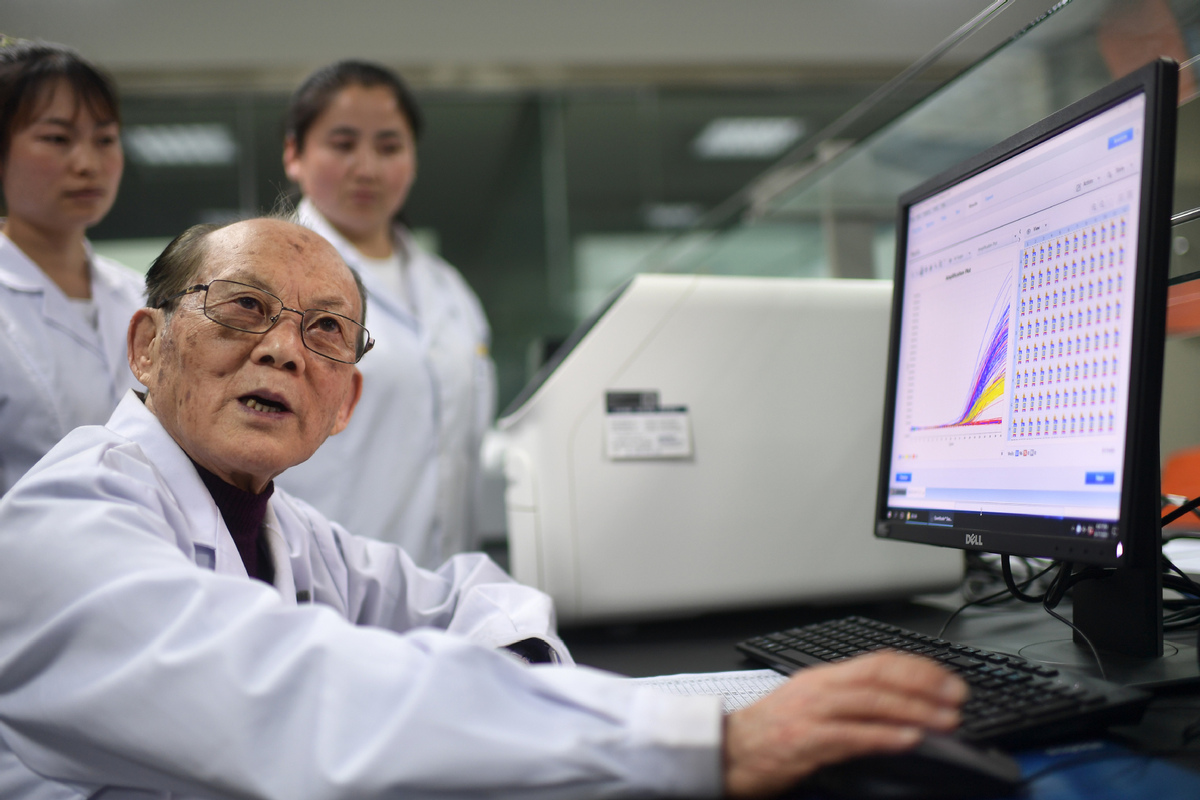
When he noticed that altitude sickness was also common among border soldiers and other migrants who came to take part in the region's economic development, he decided to look for a solution.
"To develop the region, you first had to solve the problem of adaptation to the high altitude," he said.
For decades, Wu spent his time observing and surveying the local population. His hard work paid off.
During construction of the Qinghai-Tibet Railway, the world's highest railway, in the early 2000s, Wu and his team devised a protection-and-first-aid protocol that allowed all 140,000 workers to avoid suffering the effects of acute altitude sickness.
Liu Fengyun, deputy director of the central laboratory of the Qinghai Province Cardiovascular and Cerebrovascular Disease Specialist Hospital, said no casualty during the construction was a "miracle".


- Shandong capital unveils Novi Sad-inspired sister city garden
- China's port throughput expands in early 2026 on strong container growth
- Sandy land miracle: Old friends to meet again
- Traditional dragon boat race in Hunan highlights local flair
- Xizang children's hospital joins charity program for severe illness aid
- Hand-carved dragon boats take shape in Hubei ahead of June festival





