



AIIB to officially end coal financing in 2022









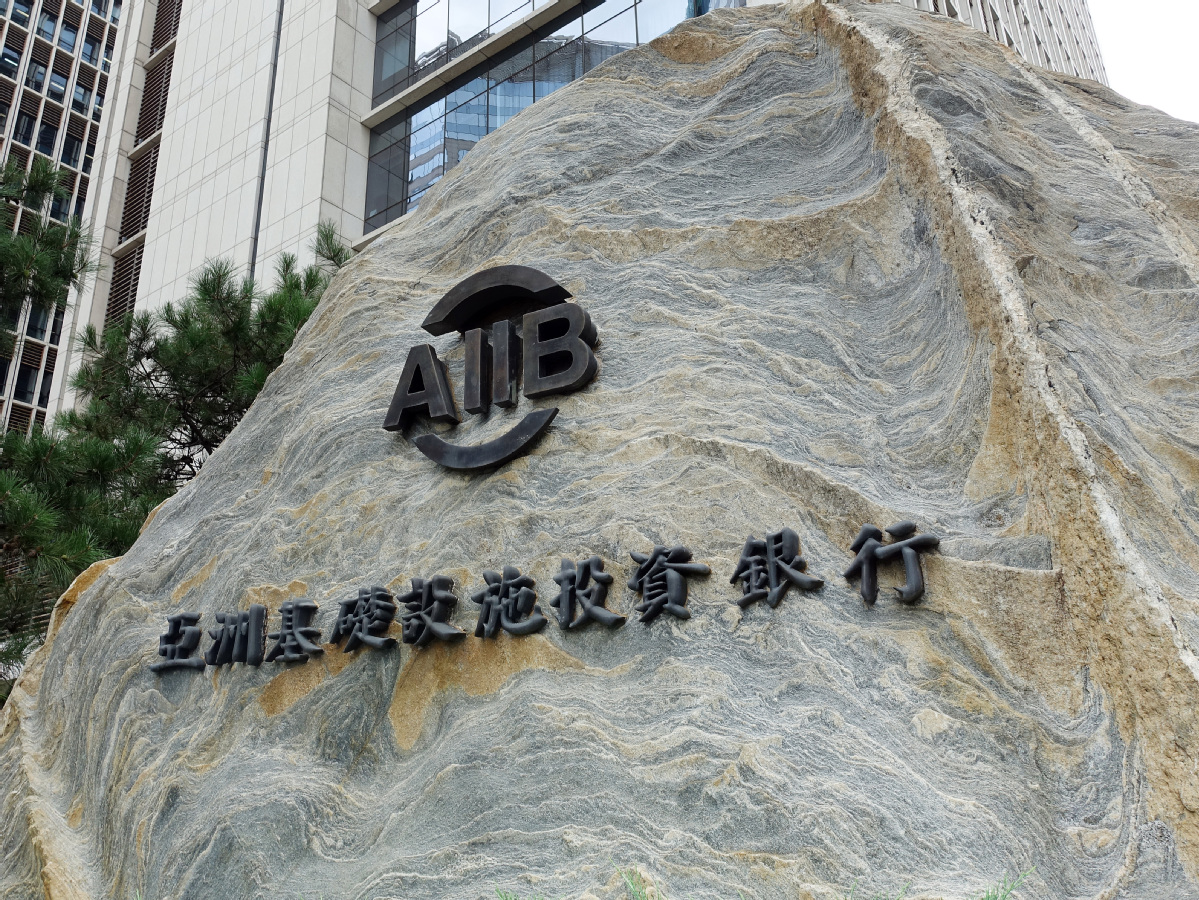
The Asian Infrastructure Investment Bank (AIIB) may officially rule out coal projects in its updated energy strategy next year, after shunning funding for such plants since it began operation in 2016, bank President Jin Liqun said Wednesday.
"In reality, we never, ever, put any coal-firing projects in our pipeline. We never did it, in spite of this provision (for such financing)," Jin said at the virtual 2021 Aspen Security Forum.
He was referring to AIIB's 2017 Energy Sector Strategy, in which it pledged to "reduce the carbon intensity of energy supply" with "a sizable reduction in coal investments" but said it will consider financing coal-fired power plants if they replace existing less efficient capacity or if no alternative exists.
"So next year, we may review or upgrade the energy strategy. My view is in the new energy strategy — updated strategy, coal definitely would be out," he said.
A multilateral development bank focused on developing Asia but with members from all over the world, AIIB has touted a mission of building "Infrastructure for Tomorrow" — green infrastructure with sustainability, innovation and connectivity at its core.
The bank has been "more prudent than what is stipulated in the energy strategy", noted Jin, who has led the Beijing-headquartered bank since it was founded in 2015.
He started his second five-year leadership term on Jan 16.
Jin has earlier said, "we will not finance any coal project or any other project which is functionally related to coal," a comment that has drawn widespread attention given that in Asia alone, coal reserves represent 38 percent of world's total.
As if to assure the audience, Jin gave an example of AIIB turning down a power transmission project of a developing country, a project that would lead to a coal-fired power plant, even though that plant was built with clean technology.
"We still turned it down, because this transmission line will be linked to a coal-firing power plant," he said.
Jin said his bank is committing to have 50 percent of financing directed to climate investments by 2025, up from about 40 percent now going to clean technology, energy efficiency and other areas that help cut down on emissions.
"Infrastructure investment in today's world should be done in a way very much different from what it used to be; we have to do it in an environment-benign way. ... So we focus very much on renewables," he said.
AIIB opted to take an "integrated approach" to climate mitigation and adaptation, investing areas like mass-transit system to reduce the driving of individual cars, he added.
As COVID-19 swept the world and led to economic stagnation, the AIIB has slowed down its normal infrastructure project financing and focusing on "social infrastructure", which includes healthcare, according to Jin.
"My belief is healthcare is social infrastructure. Healthcare is important; No nation is productive unless it's healthy," he said.
Since the outbreak of the pandemic, AIIB has focused on lending and budget support to the countries coming for help.
"In 2020, we invested $7 billion in dealing with COVID-19 so as to help these countries to get back on their feet as soon as possible and to go back to the regular infrastructure projects moving forward," he said.
Jin noted that the pandemic has accentuated the importance of social infrastructure. AIIB will still allocate a "suitable" proportion of resources to build up the healthcare system in its member countries even after it resumes its normal infrastructure investment.
AIIB has approved at least $22 billion in loans for 108 projects over the past five years, during which its members expanded from 57 to 103, according to the bank's 2020 annual report.










