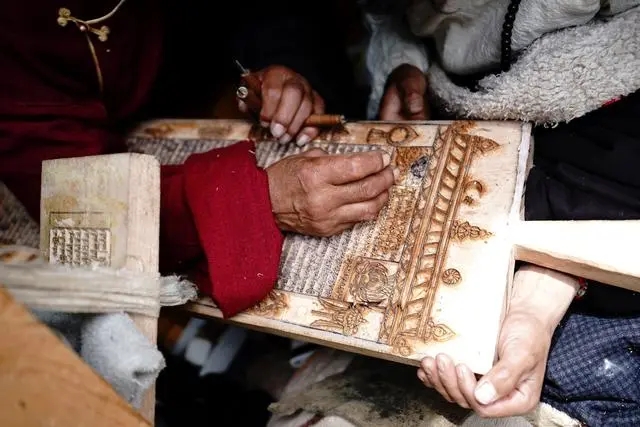
A swishing sound traveled through the sun-bathed village as another busy day kicked off at a woodcarving workshop in Bolo township of Qamdo city, Southwest China's Tibet autonomous region.
The Bolo woodcarving skill, a national intangible cultural heritage, dates back to the Qing Dynasty (1644-1911) and was initially invented to print Buddhist sutras.
According to local craftsmen, the traditional skill was once in danger of being lost, as old artisans found it hard to earn money with their work, and young people were reluctant to learn it.
Things began to change in 2019 when the village officials decided to develop the woodcarving-related industry. An ethnic handicraft company was soon established, including a woodcarving workshop covering 1,400 square meters.
Padma Gyatsen, a local villager, has never been to school. In the past, the only thing he could do for a living was farming and herding. Now, by working in the workshop, he earns more than 4,000 yuan (about $563.44) a month.
"With my wages, I can buy whatever I want and save more than 20,000 yuan a year," he said.
Creating a Bolo wood plate takes more than 10 procedures with over 40 tools. Today, the exquisite artworks are widely used for interior decorations in local homes.
Over the years, the number of craftsmen in the workshop has increased from four to 112. From January to August, local villagers received 1.8 million yuan as dividends from the company, and the total dividends they received added up to 7.85 million yuan.
According to the regional department of culture, a total of 121 intangible cultural heritage workshops have been established in Tibet, creating jobs for 3,053 people from 2,271 households and increasing monthly incomes by more than 3,200 yuan on average.
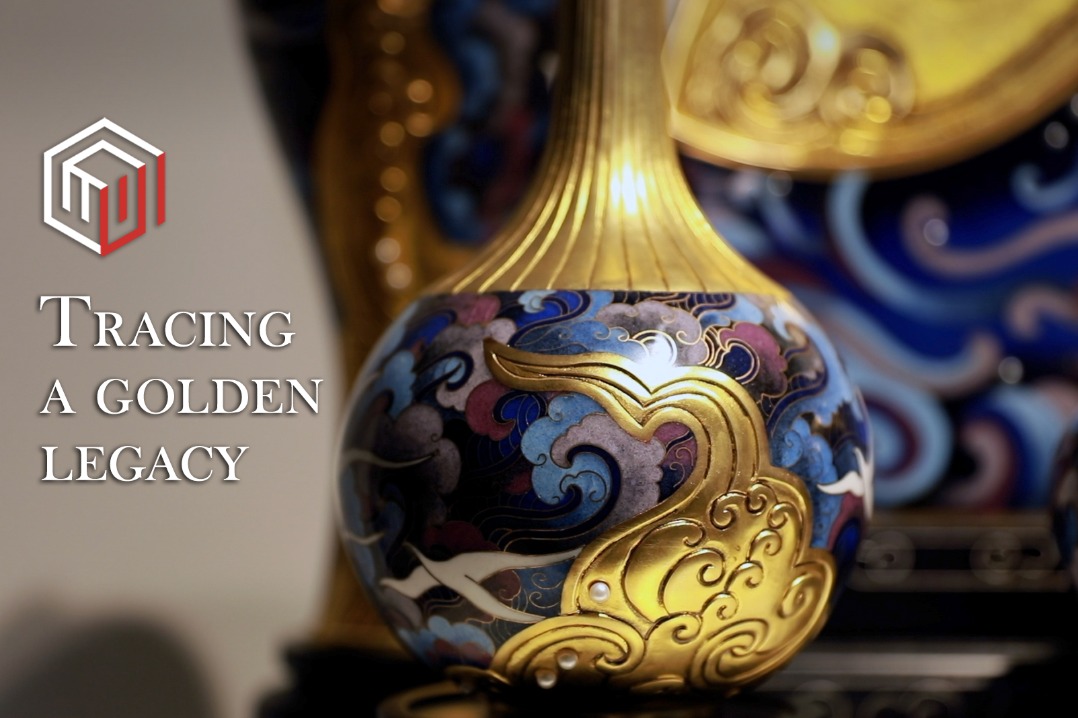
In an ethnic handicraft industrial park in Chagyab county, artisans at a workshop are engaged in processing Maidoi goldware and silverware, a craft included in the intangible cultural heritage list of Tibet.
"Thanks to the workshop, we can sit together and discuss challenges we are facing, and pool wisdom to attract young artisans and consumers with our products," said Tengpa Doje, an inheritor of the craft.
The handicraft industrial park was established in October 2018 with a total investment of about 27.2 million yuan. It features Tibetan cultural handicrafts such as thangka painting, and goldware and silverware processing, which have helped boost the income of local residents.
By the end of 2021, the industrial park has brought more than 9.6 million yuan to over 670 people in wages or dividends.
"The traditional culture is our treasure. Developing cultural industry enables our culture to be better inherited and protected," said Ren Jianli, an official of Chagyab County.