



Deutsche eyes Chinese biz in Middle East
Firms focused on digital tech, logistics, real estate, tourism sectors in region









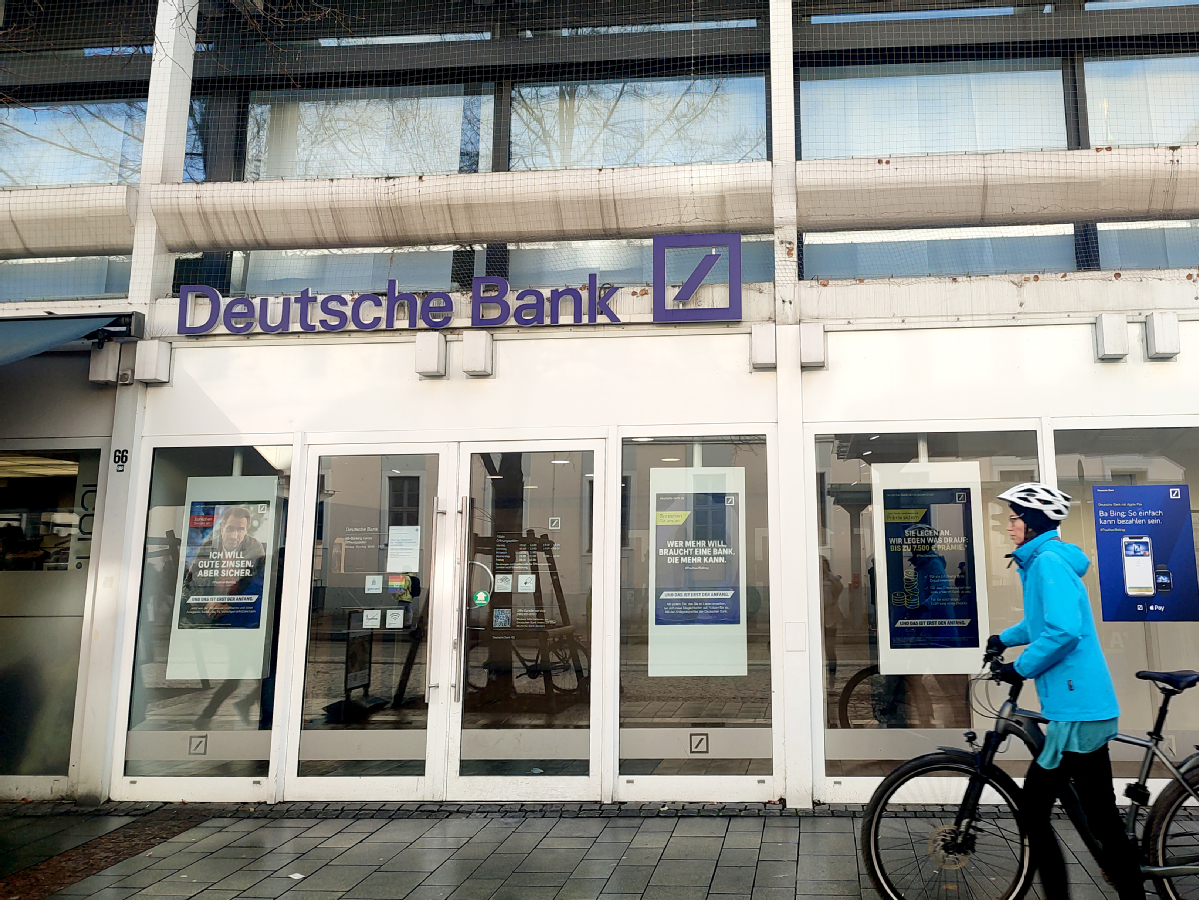
Deutsche Bank is poised to further tap business opportunities arising from growing two-way investment flows between China and the Middle East, two of its top executives said.
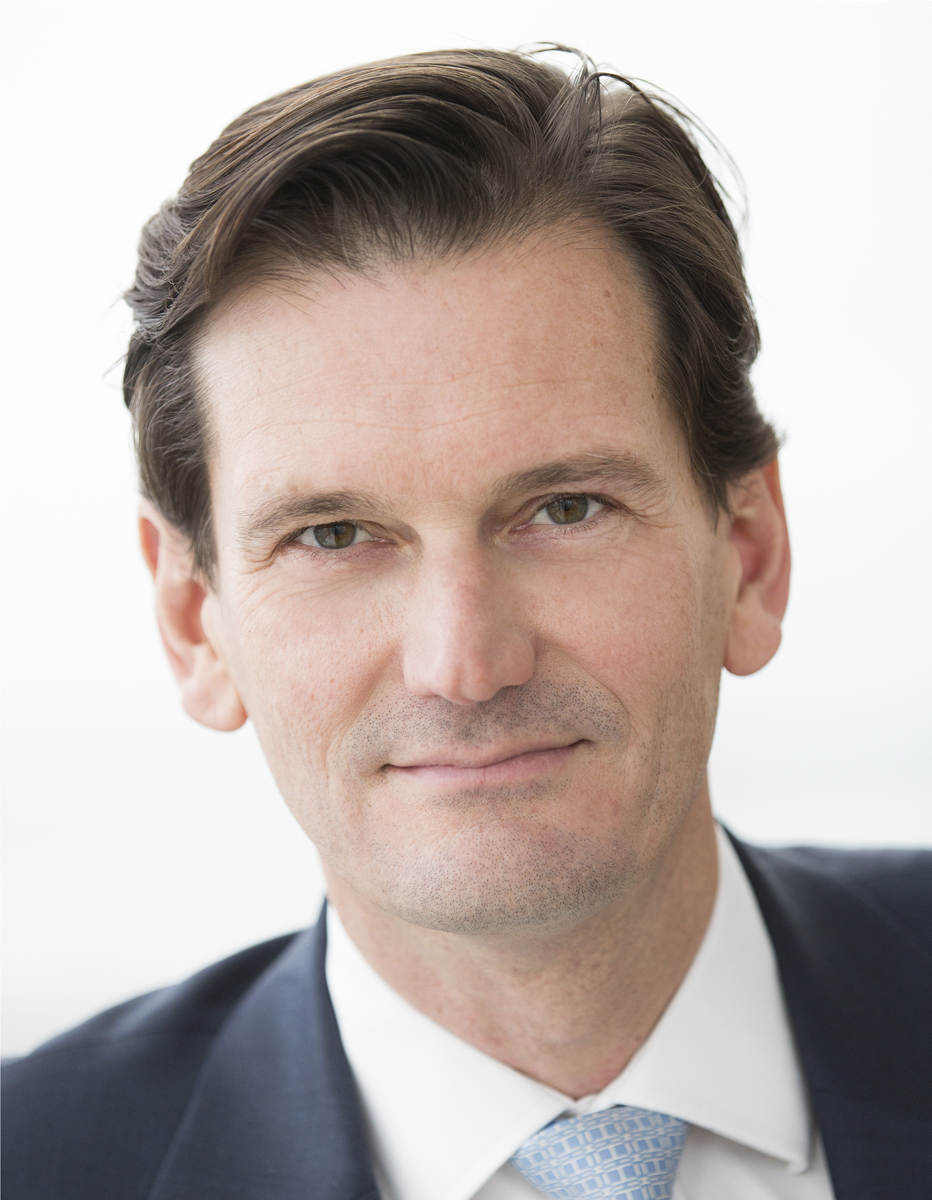
Saudi Arabia and the United Arab Emirates have seen fast economic growth in recent years. As a result, an increasing number of Chinese companies are investing in the Middle East, with a focus on digital technology, logistics, real estate and tourism, said Kees Hoving, the bank's CEO for the Middle East and Africa.
Meanwhile, investors from the Middle East are positive about the growth potential of the Chinese economy over the medium to long term. Several sovereign wealth funds from the region, including Public Investment Fund and Mubadala Investment Company, are diversifying away from Western countries to China. Mubadala, one of UAE's largest state-owned investment funds, opened an office in Beijing last year, said Hoving.
According to data released by the Ministry of Commerce, China's outbound direct investment in Arab countries in 2022 was $2.62 billion, up 13.3 percent year-on-year, and ODI from Arab countries into China amounted to $1.05 billion that year, with a year-on-year increase of nearly nine times.
In the first half, Deutsche Bank believes investors from the Middle East will continue to focus on China's electric vehicle, lithium battery, renewable energy and high-end manufacturing sectors, while in the second half, investment interest is expected to increase in consumer-related sectors.
"For instance, both Saudi Arabia and UAE attach great importance to food security. We've seen them actively invest in India's food industry in the past, with an aim to ensure the stable supply of healthy and safe food to the Middle East," said Hoving.
"Consumer electronics may also be an industry that draws Middle Eastern investors' attention in the second half of the year," he added.
Deutsche Bank believes more Chinese companies will expand their business into Middle Eastern markets this year, involving not only traditional industries like construction and engineering, but also emerging industries such as digital economy and new energy.
"China's investment in the Middle East has gone through various stages," said Yin Zhen, vice-president of Deutsche Bank China.
According to Yin, Chinese companies started investing in the Middle East with a focus on energy, mining and commodities, and later turned to the construction contractor market. Currently, the Middle East is China's second-largest market for overseas construction contracting.
Since the beginning of last year, with high-level visits between China and the Middle East gradually picking up, two-way investment has increased significantly as well.
Chinese investors now engage in a wider range of industries including financial technology and tourism, and they need more local financial services to support the growing business, said Yin.
Against such a backdrop, Deutsche Bank offers almost every product that it has globally to the Middle East, including not only cash management, trade finance, export credits, securities and foreign exchange hedging, but also services for mergers and acquisitions, equity capital markets, debt capital markets and equity financing.
"Deutsche Bank is committed to providing Chinese companies with all the products (services) they need when entering Middle Eastern markets," said Hoving.
According to him, one of the bank's main roles is to help clients with risk management. It offers risk-hedging services to Chinese companies and supports them in doing business in the Middle East, including helping them get familiar with the local regulatory environment.
Deutsche Bank also focuses on promoting sustainable finance and ESG (environmental, social and governance) investment in the Middle East. It has provided services for several renewable energy and green transition projects, Hoving added.
China and the Middle East have worked together to promote two-way investments. They complement each other in terms of resources and industries, and such investment can help them better diversify risks, said Yin.
Yin also said that, currently, many companies face currency mismatches and need foreign exchange risk management. Deutsche Bank has been actively seeking innovation in this area.
Contact the writers at liuzhihua@chinadaily.com.cn











