



Nation charts course toward modernization









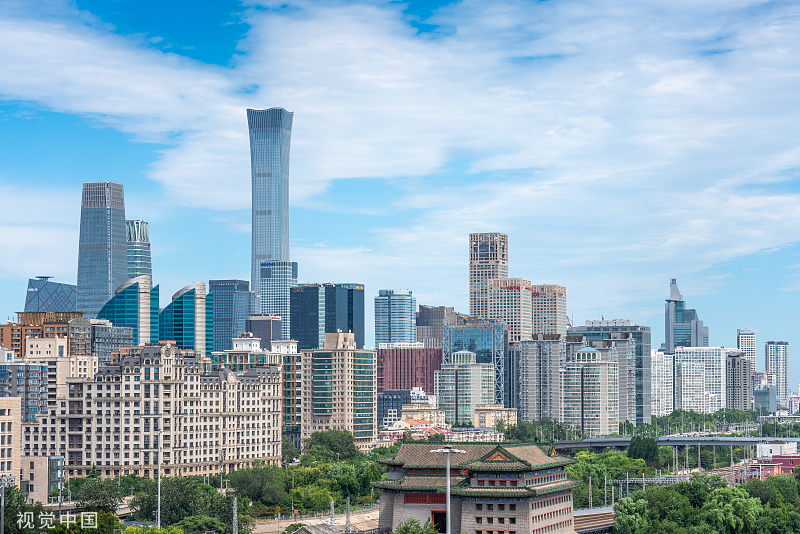
The modernization agenda, centered on high-quality economic development, seeks to translate China's blueprint for modernization into tangible reality to improve people's lives.
At its core, Chinese path to modernization embodies distinctive Chinese characteristics, and aims to achieve common prosperity through the path of peaceful development, harmony between humanity and nature, and the balanced development of material and cultural-ethical advancement. This, incidentally, is also the founding mission of the Communist Party of China and the fundamental purpose of socialist revolution and construction.
As China develops beyond a moderately prosperous society in all respects, it faces a myriad of challenges on the path to socialist modernization. These challenges range from sustaining economic growth and ensuring the sustainable allocation of resources to meeting the evolving needs of 1.4 billion Chinese people and navigating the complex shifts in the global landscape. Addressing these challenges necessitates unlocking the transformative power of innovation and propelling the development of new productive forces.
At the forefront of this endeavor is the primacy of technological innovation. By achieving breakthroughs in technological innovation, China seeks to enhance its manufacturing capability, clear technological bottlenecks, and maximize resource efficiency. Through the integration of cutting-edge technologies and revolutionary production processes, China has been trying to overcome the problems created by resource scarcity, and to elevate productivity and increase economic output. The strategic emphasis on technological innovation serves as the linchpin for achieving high-quality development and transforming China into a leading innovation powerhouse.
Besides, the application of new productive forces mainly lies in strategic emerging industries and future-oriented sectors. By nurturing innovation ecosystems and fostering an environment conducive to promoting entrepreneurship and creativity, the country is also endeavoring to create new products and business models so as to better cater to the evolving needs of the Chinese people.
From the burgeoning digital economy to the transformative potential of e-commerce platforms and the internet of things, China is at the forefront of harnessing new productive forces to boost consumption and drive sustainable growth.
Furthermore, cultivation of talents emerged as a facilitator of new productive forces. Recognizing the pivotal role of human capital in driving innovation and sustaining growth, China has made significant investments in STEM (science, technology, engineering and mathematics) education. It should prioritize STEM education from the grassroots level to cultivate a skilled workforce equipped with the knowledge and competency needed to promote technological innovation. This strategic focus on talent cultivation will not only strengthen the innovation ecosystem but also turn China into a global leader in science and technology.
In tandem with fostering innovation and cultivating talents, China should implement institutional and governance reforms to promote the development and use of new productive forces. Through targeted reforms, aimed at streamlining the bureaucratic process, enhancing regulatory efficiency and fostering a free and fair conducive business environment, China aims to catalyze innovation-led growth and unleash the full potential of its economy. And by ensuring transparency and accountability, and strengthening the rule of law, China seeks to create a level playing field that will promote innovation, entrepreneurship and sustainable development.
In conclusion, the pursuit of Chinese path to modernization is a multifaceted approach centered on innovation, talent cultivation and institutional reform. By harnessing the transformative power of innovation, nurturing a skilled workforce, and building an enabling regulatory environment, China hopes to promote socialist modernization.
As China charts its course toward a brighter future, the development of new productive forces will help it promote prosperity and progress, and achieve national rejuvenation.
Huang Weiping is a Jean Monnet chair professor at the School of Economics, Renmin University of China.
Huang Jian is a professor at the Business School of Wenzhou University.
The views don't necessarily reflect those of China Daily.





