



Wild species populations rebound, thanks to policies and protections









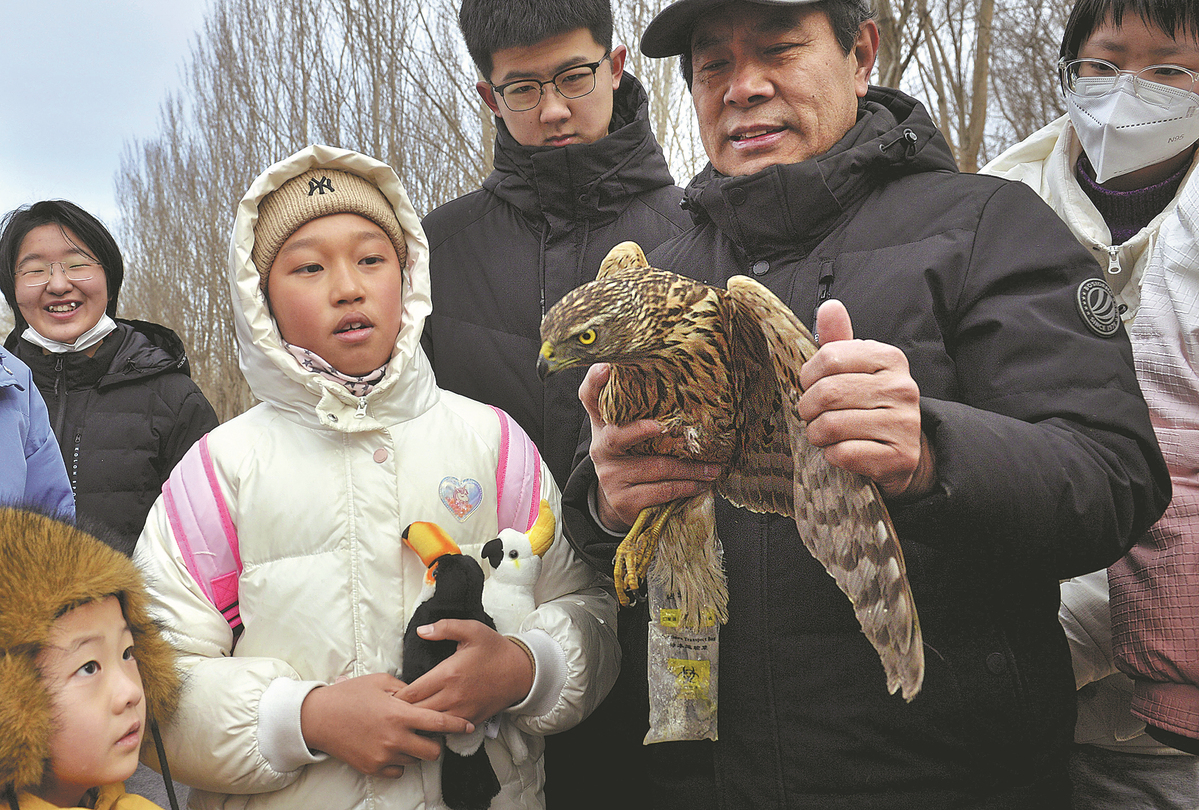
Wild populations of giant pandas, crested ibises and Asian elephants in China have continued to grow as their habitats and breeding environments improve, the National Forestry and Grassland Administration announced on Monday.
China is building a national park system that will be the world's largest, protecting more than 80 percent of the country's key wildlife species and their habitats, the administration said while marking the 12th World Wildlife Day on Monday.
Officials attributed the improvement in ecosystems and flagship species conservation to stronger policies and legal protections, increased financial investment and coordinated efforts in both in situ and ex situ conservation.
China is home to about 3,100 species of terrestrial vertebrates and 130,000 named insect species. It also has more than 38,000 species of higher plants, including over 4,000 rare and endangered wild plant species.
According to the latest monitoring data, the wild giant panda population has risen from about 1,100 in the 1980s to nearly 1,900. Snow leopards now number more than 1,200, and since the launch of China's pilot national park system in 2017, the number of Siberian tigers has grown from 27 to 70, and Amur leopards from 42 to 80.
The crested ibis population has increased from seven at the time of its rediscovery to over 7,000. The Tibetan antelope population has rebounded from 60,000 to 70,000 in the late 1990s to more than 300,000.
Some critically endangered plants have also seen significant recovery. There were only three known Baishan fir trees when they were discovered, but more than 4,000 have since been reintroduced to the wild. Similarly, when the Putuo hornbeam tree was discovered, it was the only one known to exist. Now, over 4,000 have been reintroduced to the wild.
In recent years, China has strengthened its wildlife protection laws, updated the national lists of protected wild animals and plants, and published a list of important terrestrial wildlife habitats.
The country has also established flagship animal protection research centers for species such as giant pandas, Asian elephants, pangolins, Pere David's deer, blue-crowned laughing-thrushes and crested ibises.
The National Forestry and Grassland Administration said it will continue to improve wildlife protection through enhanced monitoring, habitat conservation and efforts to promote the coexistence of humans and nature.
yandongjie@chinadaily.com.cn


- Xi replies to letter from Chinese, US students participating in 'A Shared Voyage: China-US Youth Friendship Program'
- Xi, Austrian president exchange congratulations over 55th anniversary of ties
- Fudan University reveals top 10 scientific and technological advances of 2025
- Shenzhou XXI astronauts complete handover, ready for returning to Earth soon
- Weak safety may have led to mine blast
- 7 scientists win Shaw Prize in 2026





