


From logging to guardianship: How China protects green source of its 'mother river'










FROM MANPOWER TO TECHNOLOGY
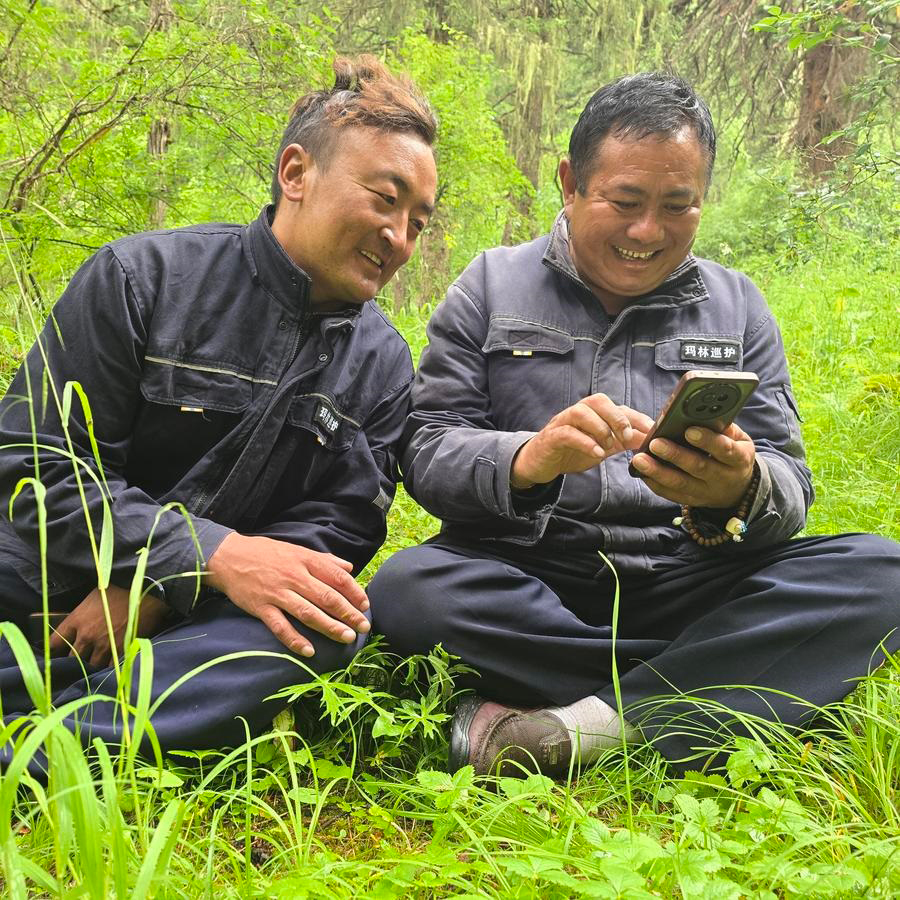
Given the vast area, manpower alone is not enough. In recent years, the local forestry authorities have turned to technology to strengthen conservation.
A comprehensive patrol system has been established, combining traditional foot and vehicle patrols with modern technologies such as drones and high-definition cameras.
Launched in October 2024, the forest and grassland monitoring system uses infrared sensors at night and visible-light cameras during the day, achieving near-complete coverage of the forest and ranger stations.
Drones, infrared wildlife cameras and GPS-based patrol terminals have become standard equipment for rangers, and even veteran rangers have adapted to using the new technology.
Numbers offer the clearest evidence of successful conservation. Over the past two decades, 115,000 mu of afforestation has been completed and 220,000 mu of existing forest has been tended in the Markog River forest area.
The forest coverage rate has risen from 51 percent during the logging era to 69.58 percent, while forest stock volume has grown from 4.2 million cubic meters to 4.8 million cubic meters.
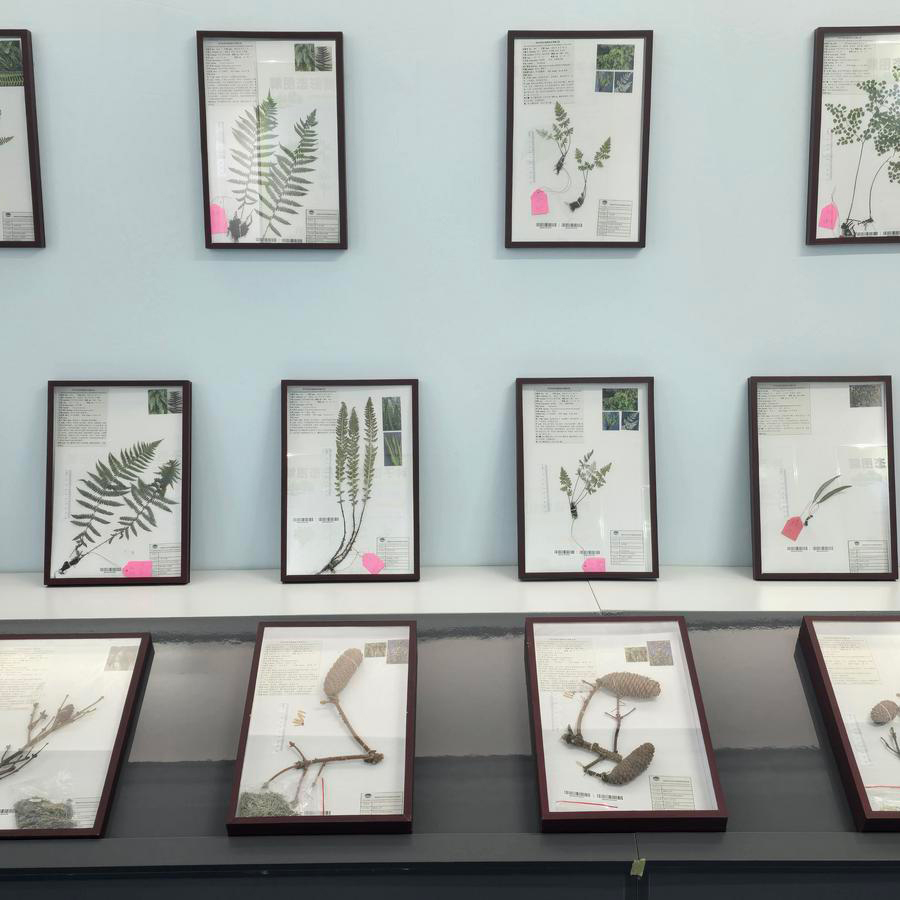
With the overall environment improving, rare species have made a comeback.
The forest area is now home to 180 species of wild vertebrates, including 12 national first-class protected animals such as leopards and snow leopards, and 33 national second-class protected species such as brown bears and lynxes.
A total of 984 species of forest plants have been recorded, some of which are listed in China's national catalog of protected wild plants.
"Markog River's recovery of wildlife and forest resources has created a balanced, diverse and increasingly pristine ecosystem in the Yangtze headwaters," said Du Pinggui, director of the Qinghai provincial forestry and grassland bureau. "This is of great significance to safeguarding ecological security across the entire Yangtze River basin."





