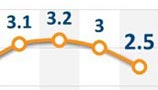
That's what happened with the last big performance jump. The rise of 3G and 4G networks spurred nearly $2 trillion in private sector investment in infrastructure and R&D spending between 2009 and 2014-spending that wouldn't have happened if the new technology hadn't been so much better than the old. The same phenomenon is poised to repeat with 5G-if the innovation investments happen first.
We hope that the two leaders talk about this because their nations lead in mobile technology and stand to gain the most. In the US, Apple is practically synonymous with innovation. Other American companies are pre-eminent: Qualcomm, for example, was the first to launch the CDMA smartphone in 1998. Its Snapdragon processors power many of the world's smartphones. And Chinese companies such as Huawei, ZTE and Xiaomi have, seemingly overnight, become major global players. They are making huge investments in mobile. Huawei and ZTE in particular are filing patent after patent.
But here's the problem. No company-not Chinese, not US, not any-will comfortably invest if there are real uncertainties about the rewards for those investments, whether they are to extend 4G's reach or spur 5G's development.
When policies, regulations and business practices work against innovation, the creators of new technology don't invest as they should, and consequent spending and growth don't happen as they should.
David Michael is a senior adviser at The Boston Consulting Group and a professor at the School of Global Policy and Strategy, University of California-San Diego.

Copyright 1995 - . All rights reserved. The content (including but not limited to text, photo, multimedia information, etc) published in this site belongs to China Daily Information Co (CDIC). Without written authorization from CDIC, such content shall not be republished or used in any form. Note: Browsers with 1024*768 or higher resolution are suggested for this site.
License for publishing multimedia online 0108263 Registration Number: 130349