Development of the Yangtze River valley would open up inland areas and help realize the Silk Road economic belt
Premier Li Keqiang urged the development of an economic belt along the Yangtze River in April to provide new development opportunities for the country's central and western regions and provide a new and important driving force for the sustainable development of the Chinese economy.
|
 |
 |
The development of the Yangtze River valley has always been viewed as a key national task due to its important strategic status. An initial plan was drawn up for a Yangtze River economic belt to be an axis of national economic development in the Seventh Five-Year Plan (1986-90). However, compared with the remarkable progress of the coastal regions that formed the other axis, the regions along the well-conceived Yangtze River economic belt have failed to make full use of its geographic advantages to push forward opening-up to the outside. Economic development along the river is tangibly uneven, with an obvious gap among the booming Yangtze River delta area and regions westward.
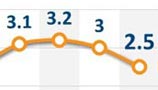
The fresh emphasis the State Council has put on building a Yangtze River economic belt, which has come amid China's economic slowdown, is aimed at further opening-up the vast inland areas and guiding some of the flow of market resources from the eastern region to the central and western areas and thus forming a mutually interconnected development pattern between them as a way to bolster a new economic takeoff for its less-developed inland regions.

Copyright 1995 - . All rights reserved. The content (including but not limited to text, photo, multimedia information, etc) published in this site belongs to China Daily Information Co (CDIC). Without written authorization from CDIC, such content shall not be republished or used in any form. Note: Browsers with 1024*768 or higher resolution are suggested for this site.
License for publishing multimedia online 0108263 Registration Number: 20100000002731