Mongolian diet
(chinatravel.com)
Updated: 2013-12-25
 |
|
The The Mongolians' nomadic way of life determined their diet, which traditionally consisted mainly of the meat, milk and other dairy products provided by the livestock which they tended. |
The The Mongolians' nomadic way of life determined their diet, which traditionally consisted mainly of the meat, milk and other dairy products provided by the livestock which they tended. This included mutton, beef and goat, as well as milk and other dairy products from cattle and goats. On occasion horse meat was eaten, but this was generally only at religious ceremonies and during festivals, as the horse enjoys a near-sacred status among the Mongols. These people of the steppe traditionally roast meat over an open fire - or boil it if it is less tender - and bake their bread in special ovens. A goat or a lamb might be roasted whole, or in sections, such as a leg of lamb.
Today, the diet of the Mongolians has been expanded to include vegetables as well as pasta and rice, the former in recognition of the sad fact that the traditional Mongolian diet often leads to struma, or an abnormally enlarged thyroid gland leading to a "swollen" neck, a medical condition caused by the lack of iodine in one's diet, and the latter in order to provide a more carbohydrate-rich diet and perhaps to supplement meat, which is not always as plentiful as one might wish.
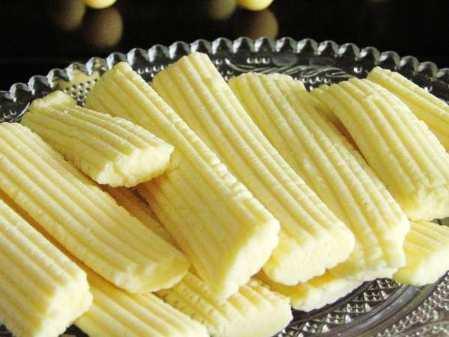 |
| Milk remains a staple in the Mongolian diet |
Milk remains a staple in the Mongolian diet, however. It is also consumed as: yoghurt; milk wine (i.e., fermented milk, the most prized of which is fermented mare's milk, which can be further fermented into a frothy, beer-like drink called airag); milk tofu (a process involving coagulated, fermented milk, where the dry parts are separated and form into a stiff, tofu-like texture); sour milk (i.e., "buttermilk"); a cottage-cheese like product derived as a "waste product" from the production of certain types of butter; milk tea (aka Mongolian Tea, the most important beverage for Mongolians who live - either all or part of the year - in the traditional manner), which is made by boiling crushed brick tea for a few minutes, then slowly adding milk (1 part milk to 3-6 parts tea) while stirring constantly; and of course as butter itself, which comes in several varieties depending on how it is made and the animals from whence it comes. Sometimes the thick cream of milk is cooled and eaten as-is, with a spoon, or parts of it are skimmed off forming naipizi, or "milk skin", which tastes like a cross between butter and cream, and also eaten as-is.

High-speed train debuts in Inner Mongolia
A bullet train departed Hohhot East Railway Station for Ulanqab marking the start of high-speed rail services using Inner Mongolia’s first newly-laid high-speed railway on Aug 3.
