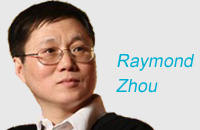
China Forum | Leung Kwok-leung
'Pan-democrats' should correct the flaws in their thinking about the process for electing the chief executive by universal suffrage
The decision of the National People's Congress Standing Committee on the method for selecting the chief executive of the Hong Kong Special Administrative Region by universal suffrage in 2017 has greatly upset the "pan-democrats". They believe this decision is designed to exclude them from the chief executive election by universal suffrage. But this is due to some major failings in their thinking.
The first failing is their misunderstanding of the Basic Law. The law gives the Legislative Council more power than many of its counterparts elsewhere. For example, the Basic Law allows LegCo to veto important government bills such as the plans for constitutional reform with only one-third of the vote. That is highly unusual among legislatures around the world. If the United States Congress wants to defeat a presidential bill a minimum of two-thirds of the votes is required, while the US president needs only 50 percent of congressional support to pass the bill. The "pan-democrats" need to remember the extraordinary powers they enjoy through the Basic Law. They need to appreciate its many benefits. The Basic Law is far more democratic than many similar legislative structures in Western societies.
The second failing is misjudging the NPCSC decision. The so-called three locks established by the NPCSC are: first, nomination by a nominating committee, required by the Basic Law and therefore beyond dispute; second, nomination by a simple majority of the nominating committee. The "pan-democrats" should remember that the Court of Final Appeal requires a simple majority to pass any collective ruling. It is only natural that the nomination of candidates for the chief executive election requires a simple majority of the nominating committee, as it is the sole legal institution established for the task.
The third lock is the preference for two or three candidates, although apparently this is flexible. The second and third "locks" are not mentioned in the Basic Law. These two aspects of the NPCSC decision represent the national legislature's trust in the ability of the HKSAR to reach its own decisions on these issues.
It is a shame so many opposition lawmakers with legal backgrounds fail to recognize these opportunities. How would they feel if they were the NPCSC, and the "threshold" was significantly lowered allowing scores of candidates to run for the office of chief executive? Maybe they don't mind making fools of themselves, but how about the rest of Hong Kong? Do they really have nothing better to do than oppose things simply for the sake of it?


Copyright 1995 - . All rights reserved. The content (including but not limited to text, photo, multimedia information, etc) published in this site belongs to China Daily Information Co (CDIC). Without written authorization from CDIC, such content shall not be republished or used in any form. Note: Browsers with 1024*768 or higher resolution are suggested for this site.
License for publishing multimedia online 0108263 Registration Number: 130349