Besides, women generally believe it is best to not have children after 35 years of age. Sow omen born in the 1970s had a limited period to have a second child after the easing of the family planning policy in 2013.
The two-child policy is a welcome change, for instead of "controlling" the second child, it "encourages" couples to have two children. But since most Chinese families want no more than two children, the change in the family planning policy can hardly help emerge out of the "low fertility trap". It can ensure social equality and reduce social risks, though, by reducing the high gender imbalance in the country. It can also help the country cope with the problems of an aging society and a shrinking working-age population.
It's difficult to solve all of China's population-related problems. Hence, our population development and management mechanisms should be balanced and systematic, as well as move with the times.
A very low fertility rate will lead to an unbalanced population structure. The ratio of children (from 0 to 14 years) in the total population is declining while that of senior citizens is increasing. This is a worrying sign, because it is today's children that will make tomorrow's China more creative, competitive and dynamic.
An unbalanced population structure will impede China's sustainable development and complicate social issues such problems related to an aging society. But many people believe China still has a very large population. The need, therefore, is for the central and local authorities to develop a new understanding about population issues rather than focusing only on how to implement the new family planning policy.
Allowing all couples to have two children, however, is only a transitional policy, and a sound population planning demands a long-term population development strategy.
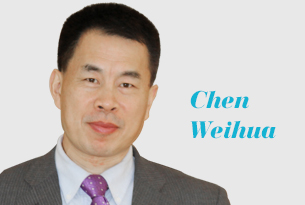
The author is a professor at the Population Research Institute of Peking University.



I’ve lived in China for quite a considerable time including my graduate school years, travelled and worked in a few cities and still choose my destination taking into consideration the density of smog or PM2.5 particulate matter in the region.
Copyright 1995 - . All rights reserved. The content (including but not limited to text, photo, multimedia information, etc) published in this site belongs to China Daily Information Co (CDIC). Without written authorization from CDIC, such content shall not be republished or used in any form. Note: Browsers with 1024*768 or higher resolution are suggested for this site.
License for publishing multimedia online 0108263 Registration Number: 130349