The Rio Games, with events scattered around four venue clusters, could present transportation nightmares in a city cut up by mountains, tunnels and poor roads. About 60 percent of the events will be at Olympic Park, about 25 kilometers (15 miles) west of central Rio.
The Olympic Park and nearby golf course is being built in a wetlands/swamp area. Small alligators have been spotted wandering around the golf course, and visitors constantly complain about swarming mosquitoes in the Olympic Park area and the neighboring athletes village.
Other events will be staged at three other clusters: Deodoro; the famous Maracana Stadium area in central Rio; the Copacabana Beach and Guanabara Bay areas.
Track and field will be run at the Joao Havelange Olympic Stadium, which was built in 2007 for the Pan American Games. The stadium, located in the Maracana cluster area, has been closed for a year for renovation and is to open next year.
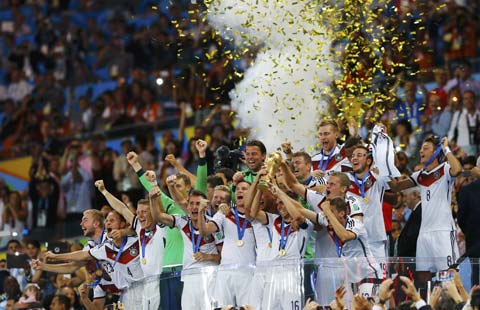
In the wake of the World Cup, former IOC marketing director Michael Payne warned against complacency.
"The danger would be anybody having a false sense of security," Payne said. "The Olympics are a far more complicated undertaking to deliver than the World Cup."
For example:
- The World Cup involved 736 athletes; the Olympics 10,500.
- The World Cup is one championship; the Olympics are dozens.
- The World Cup drags on for a month; the Olympics are densely packed into just over two weeks.
- Host-generated broadcasting for the World Cup amounted to a few hundred hours; the Rio Olympics will generate about 5,000 hours.
Payne suggested Rio's Olympic preparations might have "bottomed out" a few months ago, which means the only way is up.
"No disrespect to FIFA and the complexity and what they've done," Payne said. "But the sheer number of events becomes intimidating in the Olympics. It's a danger if Brazilians think it's just a bit more complex."
Brazil is estimated to have spent $11 billion to $14 billion on the World Cup, mostly public money. About $4 billion went to building or refurbishing 12 stadiums.
Olympic spending is about $17 billion - a mix of public and private money. Rio Mayor Eduardo Paes said he expects overall spending to increase by as much as 20 percent. That would put spending at over $20 billion.
In their winning bid in 2009, Rio officials pitched that the Olympics would be a catalyst for building infrastructure in Rio, a city neglected for 50 years.
But as costs have risen, and in an election year for President Dilma Rousseff, national, state and local officials have flip-flopped. Now they say infrastructure spending should be viewed separately from direct Olympic spending.
They argue that a subway extension, high-speed bus lanes and a rejuvenated port would have been built anyway and are not Olympic-related expenses.
However, Paes has acknowledged the projects lingered for years and would not have happened without the Olympics.
Dennis Coates, a sports economist at the University of Maryland-Baltimore County, warns against countries bidding for mega events like the Olympics or World Cup on the premise they will drive economic growth or spur building of roads and bridges.
"If you need highways and airports, you should be able to build them without throwing a big, expensive party for the rest of the world," he said. "All that does is add to the cost. But if that's the only way to convince the public that this is a good idea, than I guess that's what you do. It's sad but true."
Copyright 1995 - . All rights reserved. The content (including but not limited to text, photo, multimedia information, etc) published in this site belongs to China Daily Information Co (CDIC). Without written authorization from CDIC, such content shall not be republished or used in any form. Note: Browsers with 1024*768 or higher resolution are suggested for this site.
License for publishing multimedia online 0108263 Registration Number: 130349