



Farming shakeup is magnet for migrants









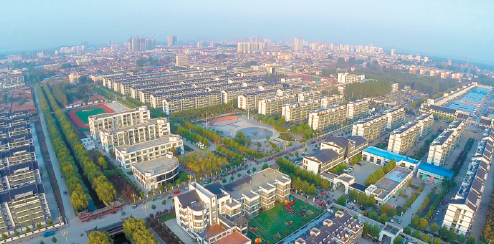
In just two years, Daicun was out of the red and back in the black, and had improved infrastructure and environment. The river running through the village used to be silted up and fetid, but due to the efforts of the new leadership, the river became a point of pride for Daicun.
Wang learned from experts that large-scale agriculture could further boost development. So in 2005, Daicun rented 173 hectares of land from farmers and the effect was "obvious", he said.
Villagers now get money from contracts and are liberated from toiling on the land. Some were hired to run large farms, others launched businesses or found jobs in the service sector in nearby towns.
Daicun soon set its expansionist sights on five villages and by 2007, the land under Daicun's management surpassed 667 hectares, which laid a foundation for further development.
"Large-scale farming is the first step to modern agriculture," Wang said.
Also in 2005, Daicun turned to experts from the Chinese Academy of Agricultural Sciences for help. The experts divided the villages into sundry functional sections including those designated for planting, raising livestock, manufacturing, commerce, and green agriculture and horticulture.
The Party chief believed Daicun could achieve more than just success in modern agriculture. Wang invited tourism development experts from Shandong to make the best of Daicun's natural resources.


- Power restored in Chongqing district after 296mm two-hour deluge
- Scientists create first comprehensive map of early human embryo development
- Suspected illegal IVF operation uncovered in Hangzhou residential apartment
- Changzhou's 'Monet's Garden' blooms with 380 lotus varieties
- Hebei's updated tree protection rules take effect July 1
- Hebei's Yishui Lake offers cool summer escape amid mountain scenery





