



Advanced ice-making technology aids skaters









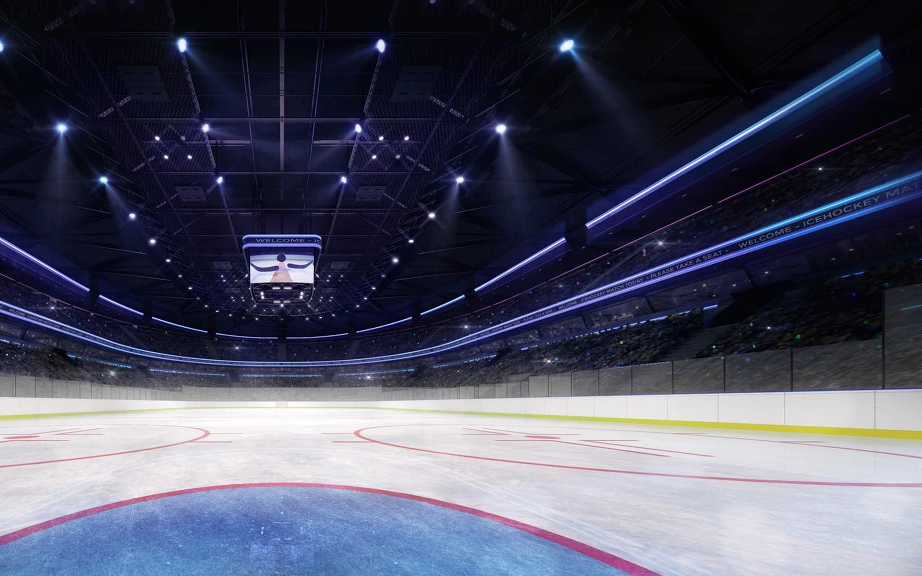
High-tech ice-making has contributed to the hot performances of athletes inside the National Indoor Stadium, the venue for figure skating and short track speed skating events during the 2022 Beijing Winter Olympics.
Chinese researchers developed a low-carbon and energy-saving ice-making system to provide athletes with high-quality ice surfaces with stable hardness. The system can properly adjust the temperatures and hardness of the surfaces, Science and Technology Daily reported on Tuesday.
Researchers at Tianjin University cooperated with seven enterprises to develop a carbon dioxide transcritical direct-cooling ice machine system to serve the Games. In the past, similar technologies at artificial ice rinks mainly used Freon or ammonia, which posed environmental and safety risks.
The ice machine for the Games, which uses carbon dioxide as a refrigerant, is considered to be a green and energy-efficient solution.
The system can reduce energy use by as much as 50 percent, the newspaper reported.
Figure skating and short track speed skating have strict but different requirements on ice thickness and temperature, meaning that rapid conversion between the two standards must be achieved according to the Games' schedule.
Researchers managed to shorten the duration of the conversion to just two hours.
Xinhua


- Patients as pioneers: A doctor changes cancer research in China
- China-Europe flights emerge as summer travel hotspot
- Blueprint unveiled for Beijing's project 2035
- Summer wheat harvest set to expand nationwide as weather improves
- Legal seminar underscores rule of law in Greater Bay Area integration
- Beijing court sees sharp rise in youth cyber disputes





