



New cave-dwelling fish species discovered in South China's Guangxi









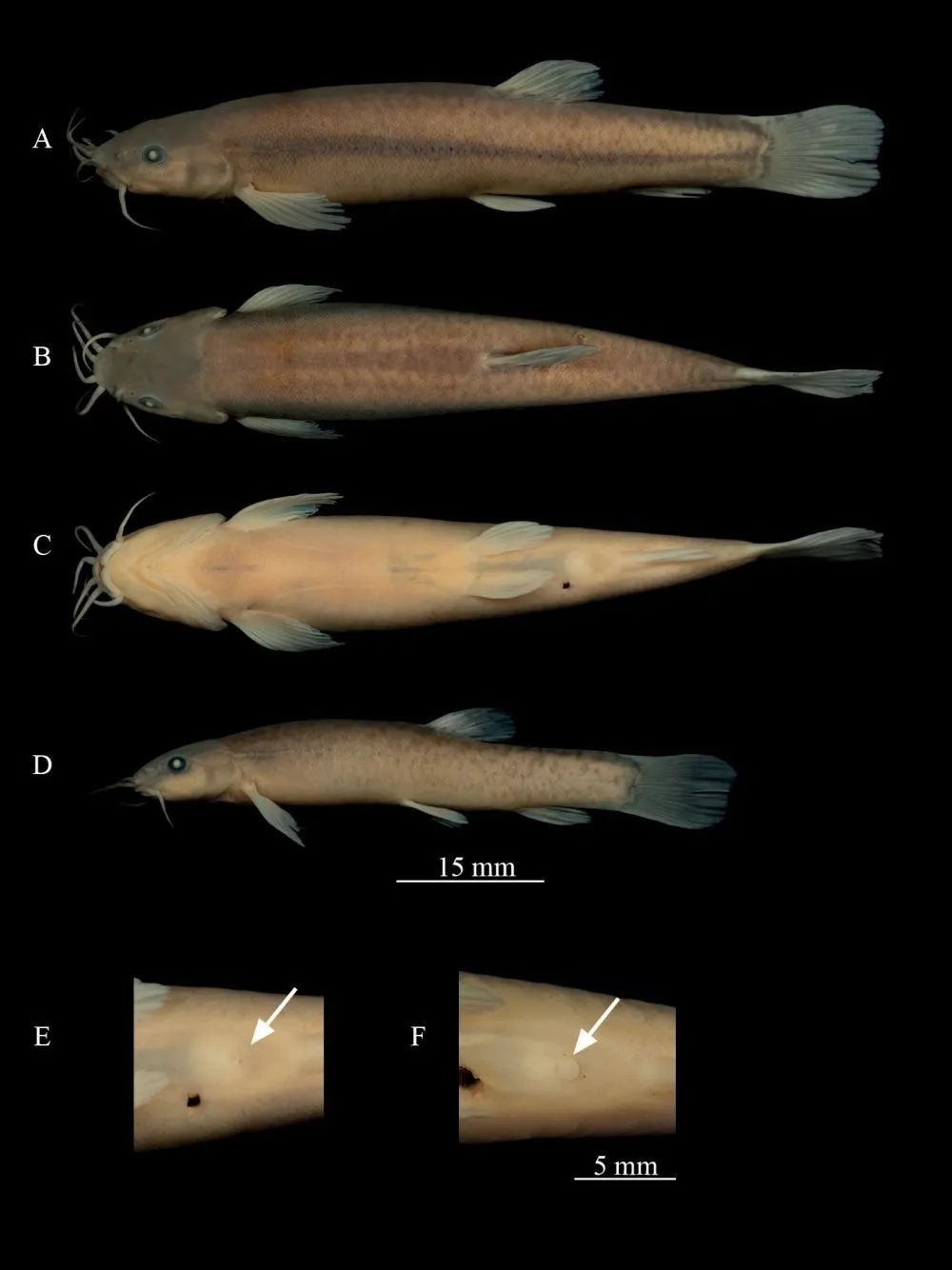
NANNING -- A team of Chinese researchers has discovered a new cave-dwelling fish species, Protocobitis longicostatus, in Debao county of Baise city, South China's Guangxi Zhuang autonomous region.
The research findings were published in a recent edition of the international academic journal Zoological Science.
According to the researchers, the newly discovered Protocobitis longicostatus belongs to the genus Protocobitis, which currently comprises four recorded species.
The findings revealed that the new species is a typical cave-dwelling fish species, presenting distinctive morphological adaptations such as colorless bodies, lack of eyes and reduced scales and ribs in response to the extreme cave habitats.
The research was jointly conducted by the biodiversity monitoring institute with Zhejiang Forest Resource Monitoring Center, Guangxi Normal University (GXNU) and China Railway Nanning Group Co Ltd.
"Cave-dwelling fish species is expected to serve as an ideal animal model for studying some special diseases of human beings," said Du Lina, associate professor at GXNU, adding that the differences in rib development among species of genus Protocobitis can also be used as materials for studying the evolution of fish.
The researchers also noted that the cave-dwelling fish species faces threats due to lack of food and human activities.


- UK companies seeking larger role in China
- Defense spokesman says Japan risks becoming 'source of turmoil' in East Asia
- Patients as pioneers: A doctor changes cancer research in China
- China-Europe flights emerge as summer travel hotspot
- Blueprint unveiled for Beijing's project 2035
- Summer wheat harvest set to expand nationwide as weather improves





